
Residential Window Replacement and Installation in Richmond
About seven in ten Richmond homes were built before 1980, and more than a quarter date from before 1940, by the Census Bureau's latest five-year count. So a lot of window jobs here start with original wood sashes, rope-and-pulley weights, plaster returns and layers of old paint. The weather asks a lot of a window too: Richmond gets about 45 days a year at 90°F or hotter and roughly 73 nights below freezing, with July dew points near 68°F. Richmond sits in climate zone 4A, a mixed-humid climate, so new glass has to hold in winter heat without letting the summer sun cook a west-facing room.
Replacement Windows: Insert or Full-Frame
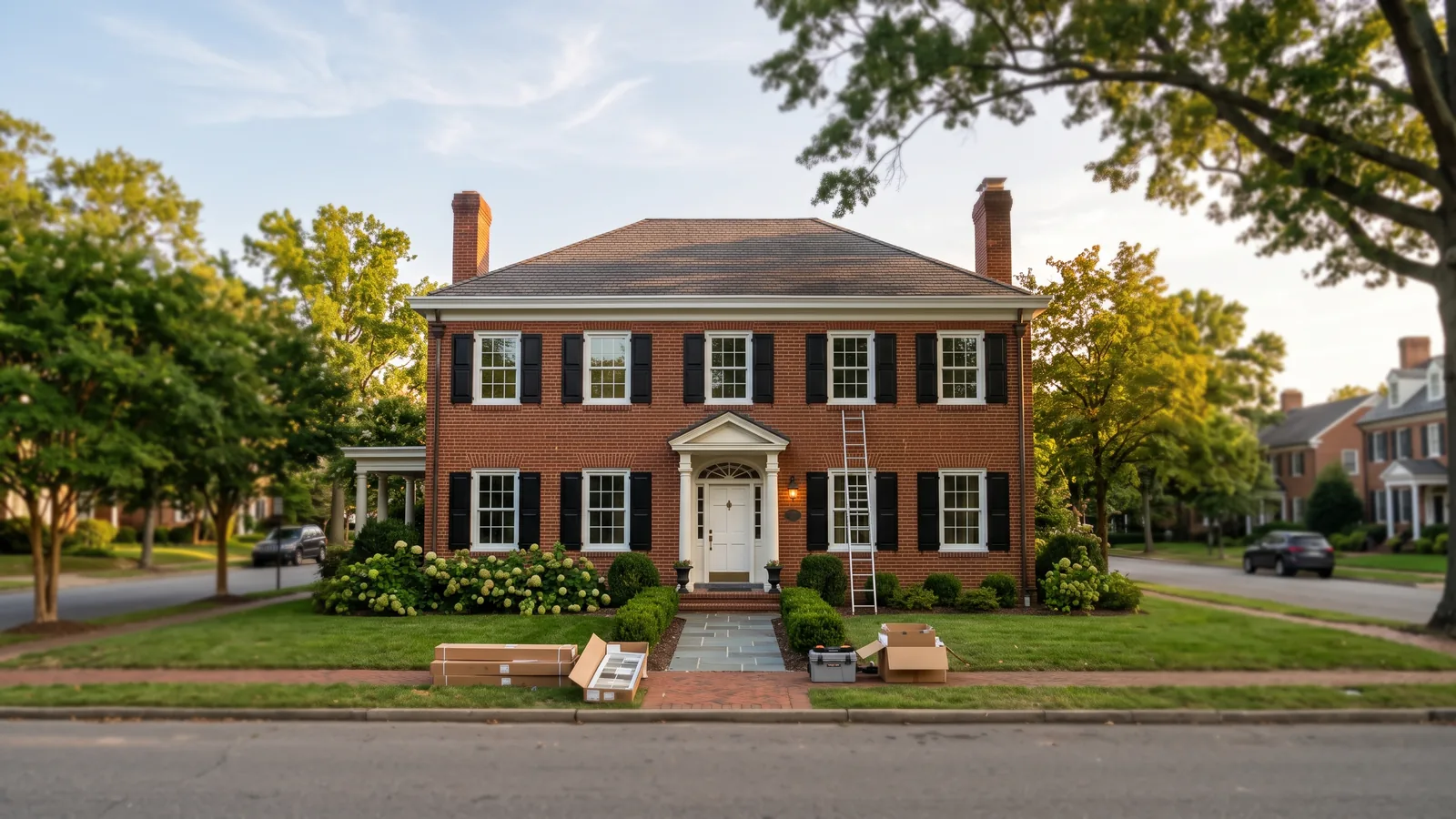
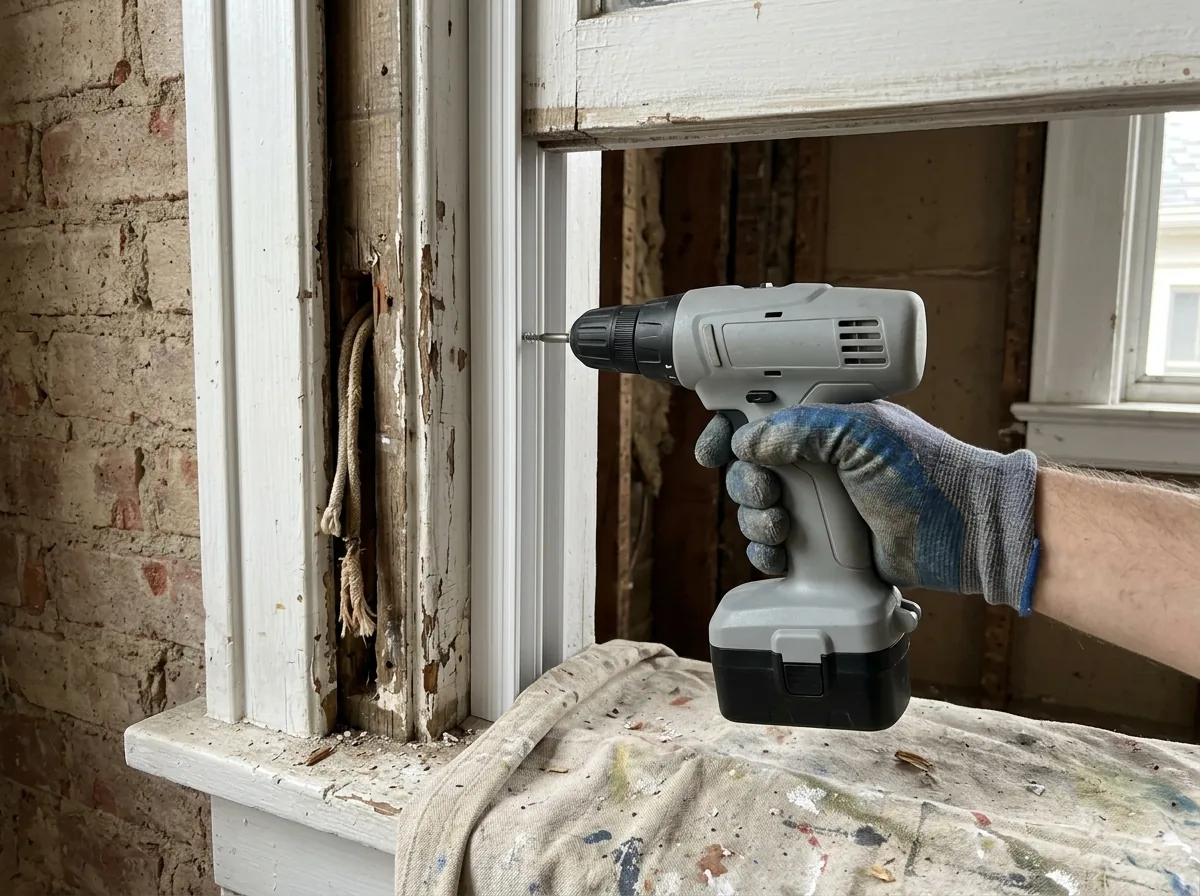
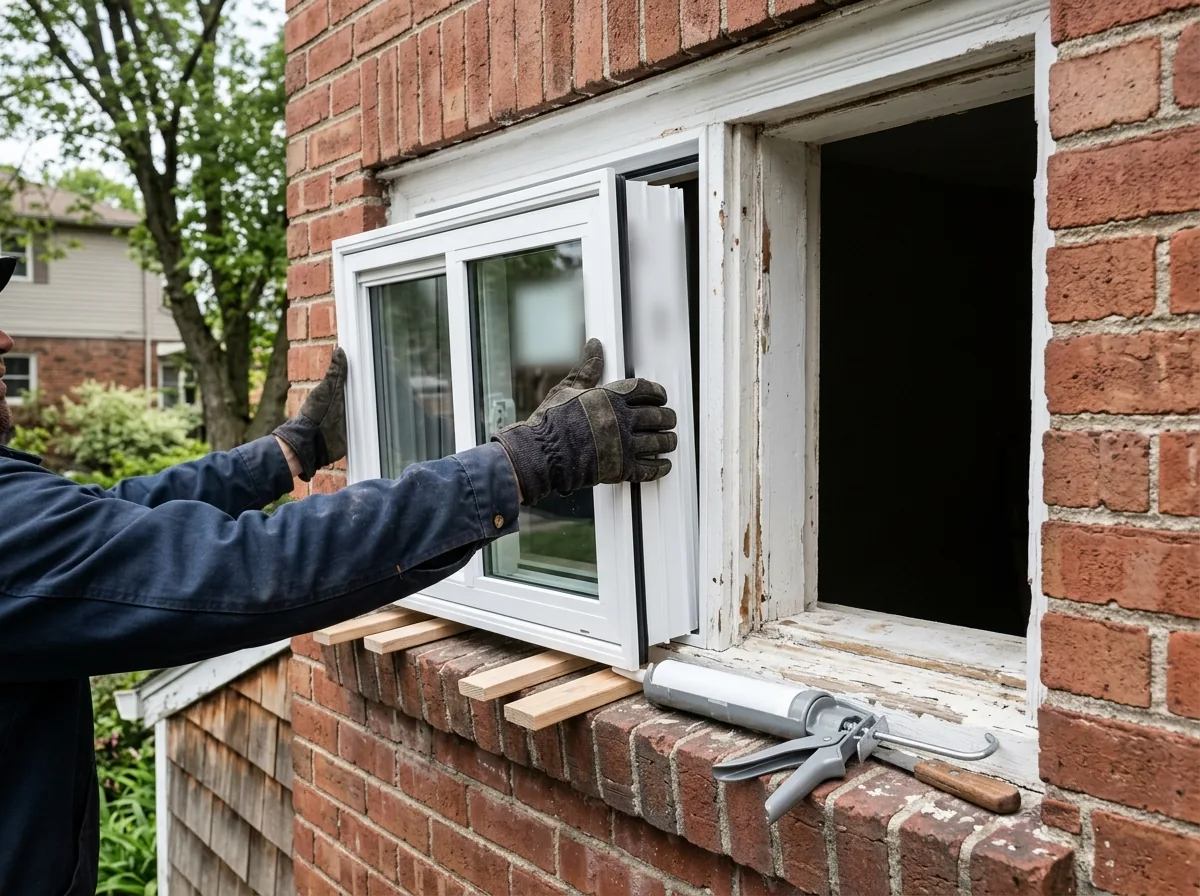
Most whole-house quotes come down to one choice: insert or full-frame. An insert (sometimes called a pocket replacement) leaves the old frame, sill and interior casing in place. The installer pulls the sashes, stops and balance hardware, sets a new unit inside the frame, shims and insulates the gap, then caps the outside. It's quicker and cheaper, and the plaster around the window stays put.
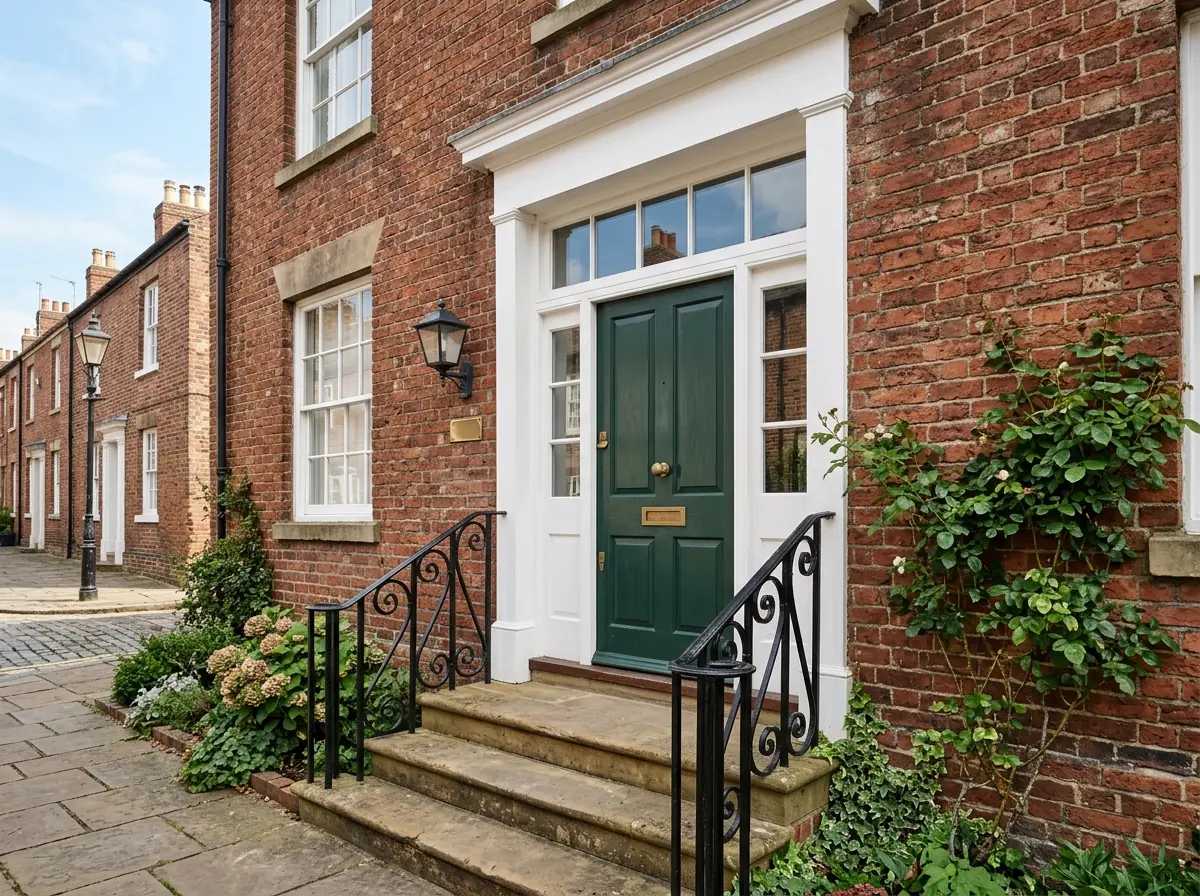
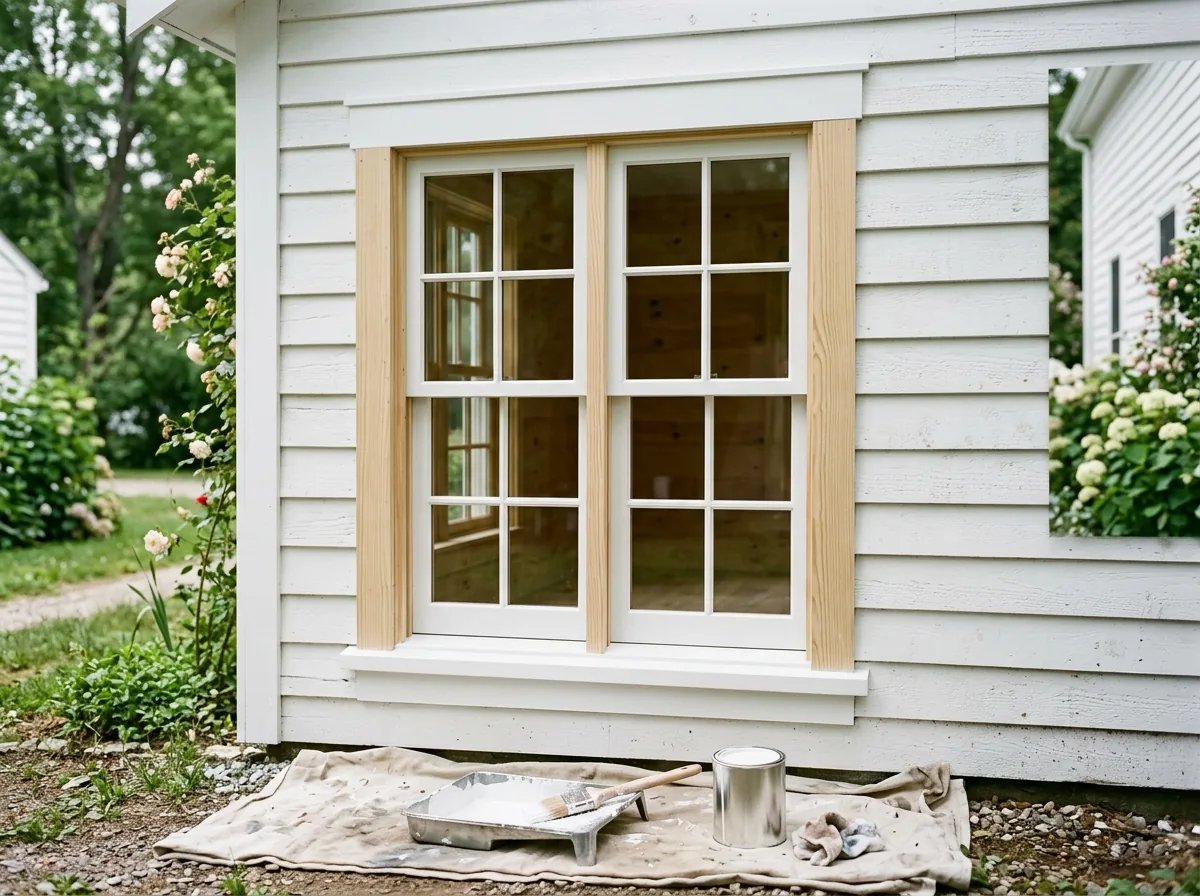
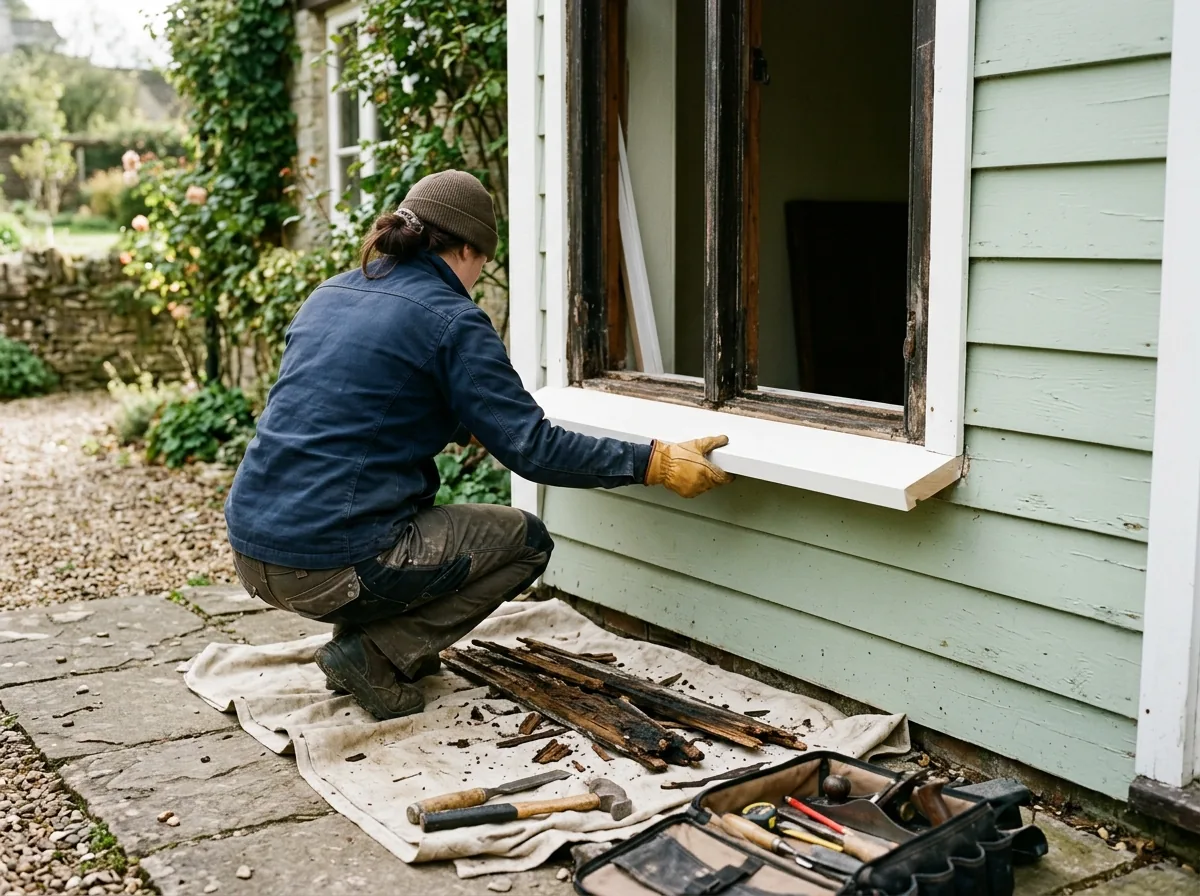
Full-frame replacement strips the opening to the rough framing. That's the right call when the sill is soft, when water has been getting in behind the trim, or when you want back the glass area that an insert gives up. The installer flashes the rough opening with a sill pan and tape before the new unit goes in, then trims inside and out. On brick homes, the brick returns and the old wood blind stop decide how cleanly a full-frame unit seats, which is one reason a good installer measures every opening rather than reading sizes off a list.
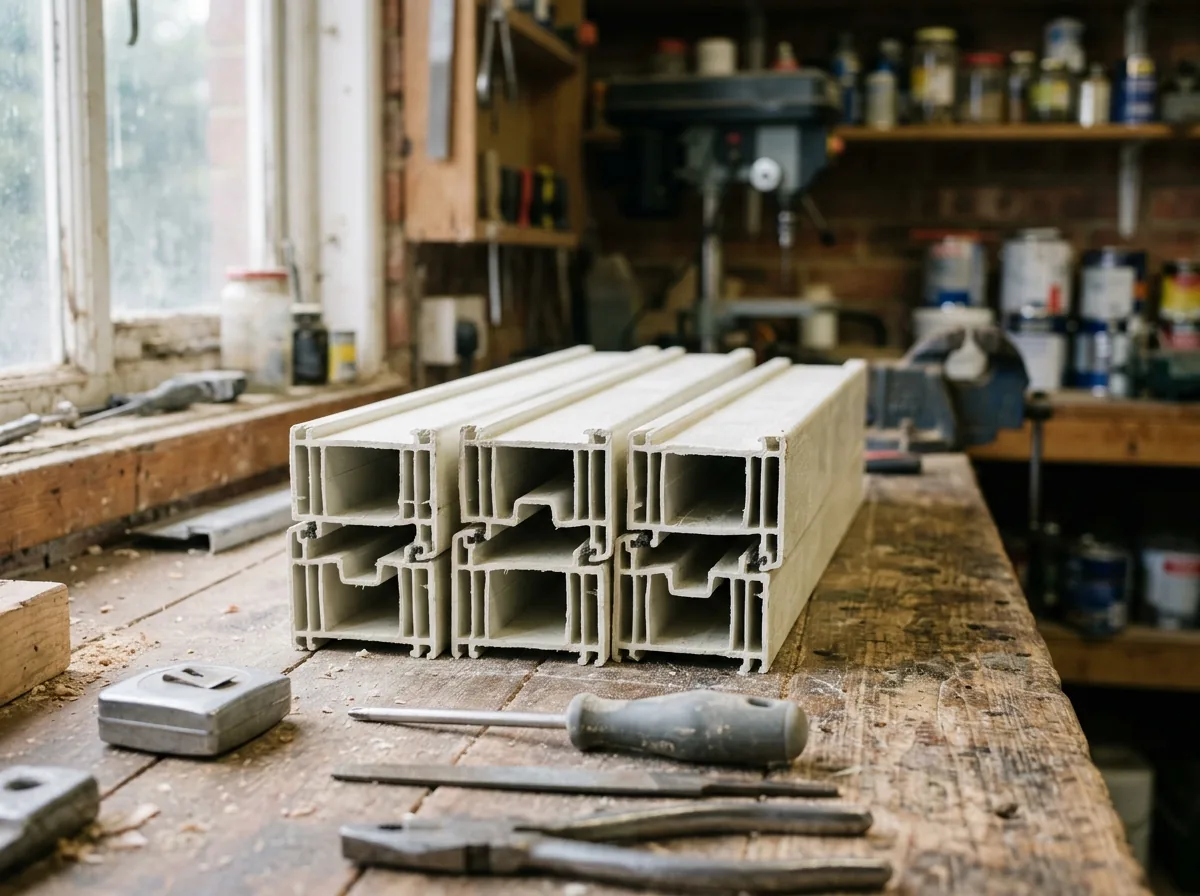
Frames come in vinyl, fiberglass, wood and aluminum-clad wood. The cost table further down compares them.
See Vinyl Windows in Richmond, VA for a low-upkeep frame, or Fiberglass Windows in Richmond, VA and Wood Windows in Richmond, VA if you are weighing a step up.
Bay Window and Bow Window Installation
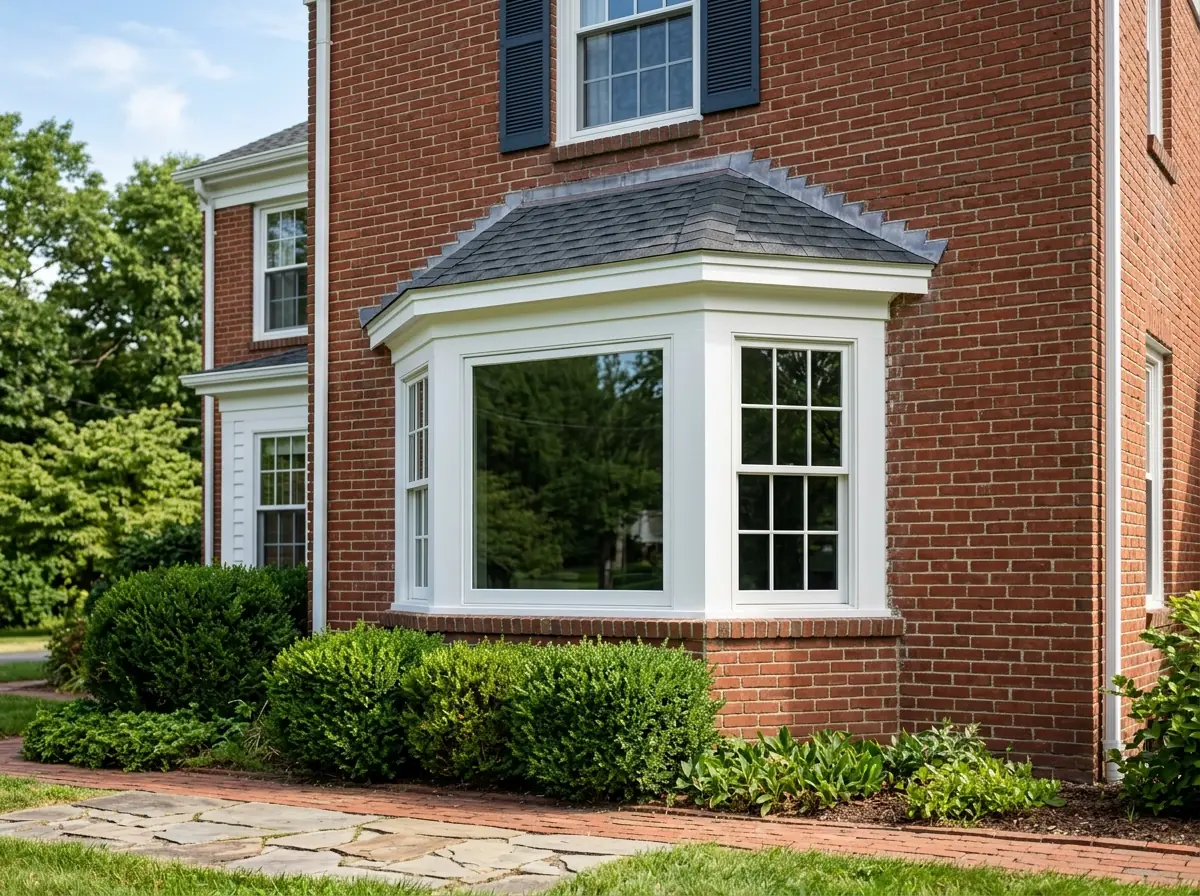
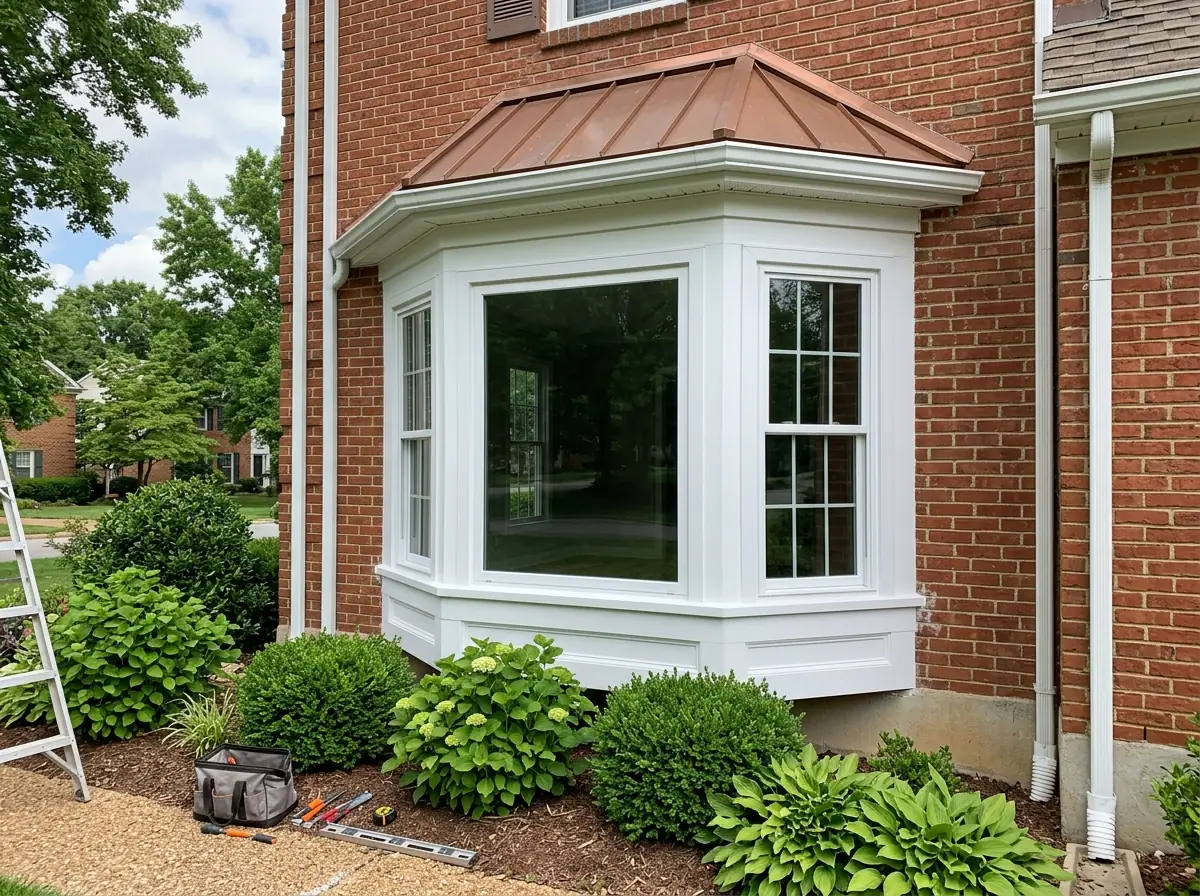
A bay window is three units: a wide fixed center flanked by two operating windows, usually set at 30 or 45 degrees to the wall. A bow uses four to six units of equal width in a shallow arc. Either one projects past the wall, so it needs a seat board and head board, support from cables to the framing above or from brackets below, and a small roof of its own (shingle, or standing-seam metal for a cleaner line). Before cutting, check the header: turning a flat double window into a bay often means a wider opening and a bigger header, which is structural work and needs a permit.
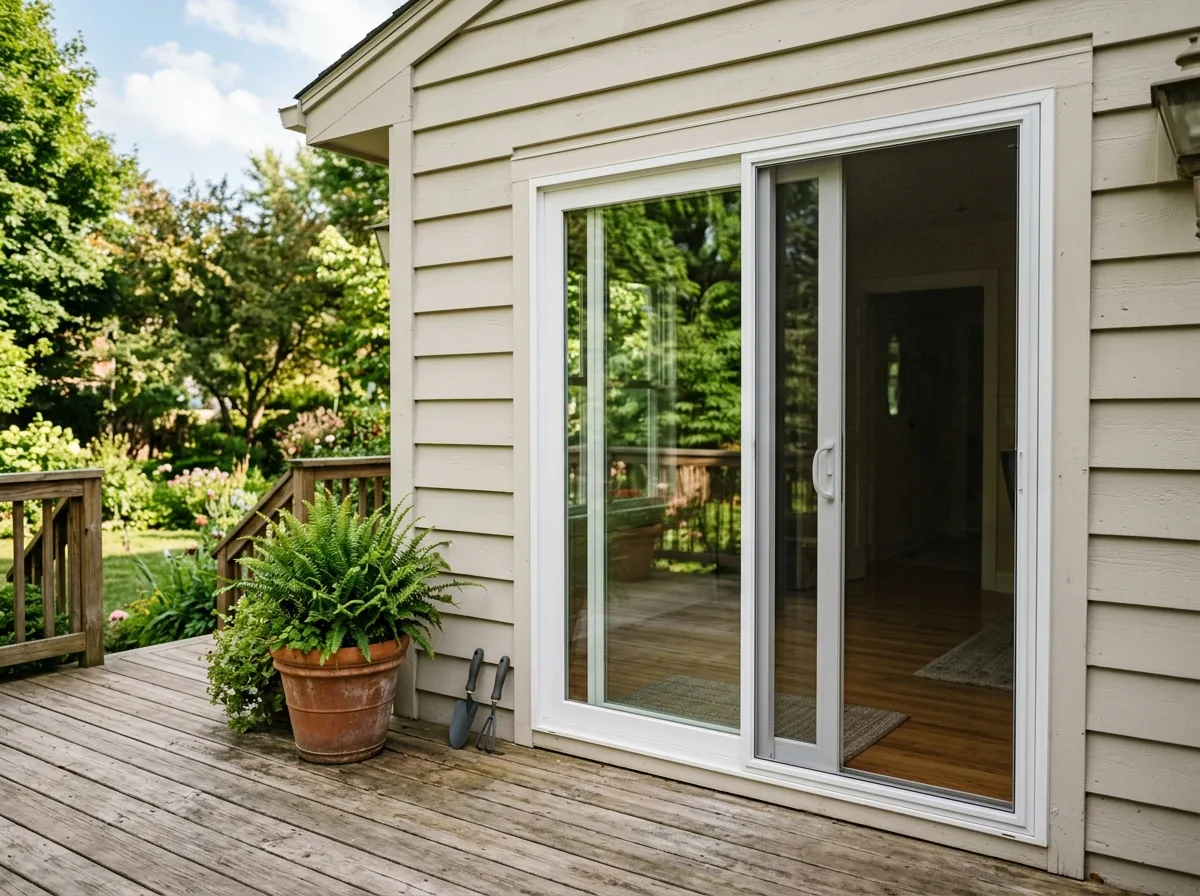
Sliding Glass Doors and French Patio Doors
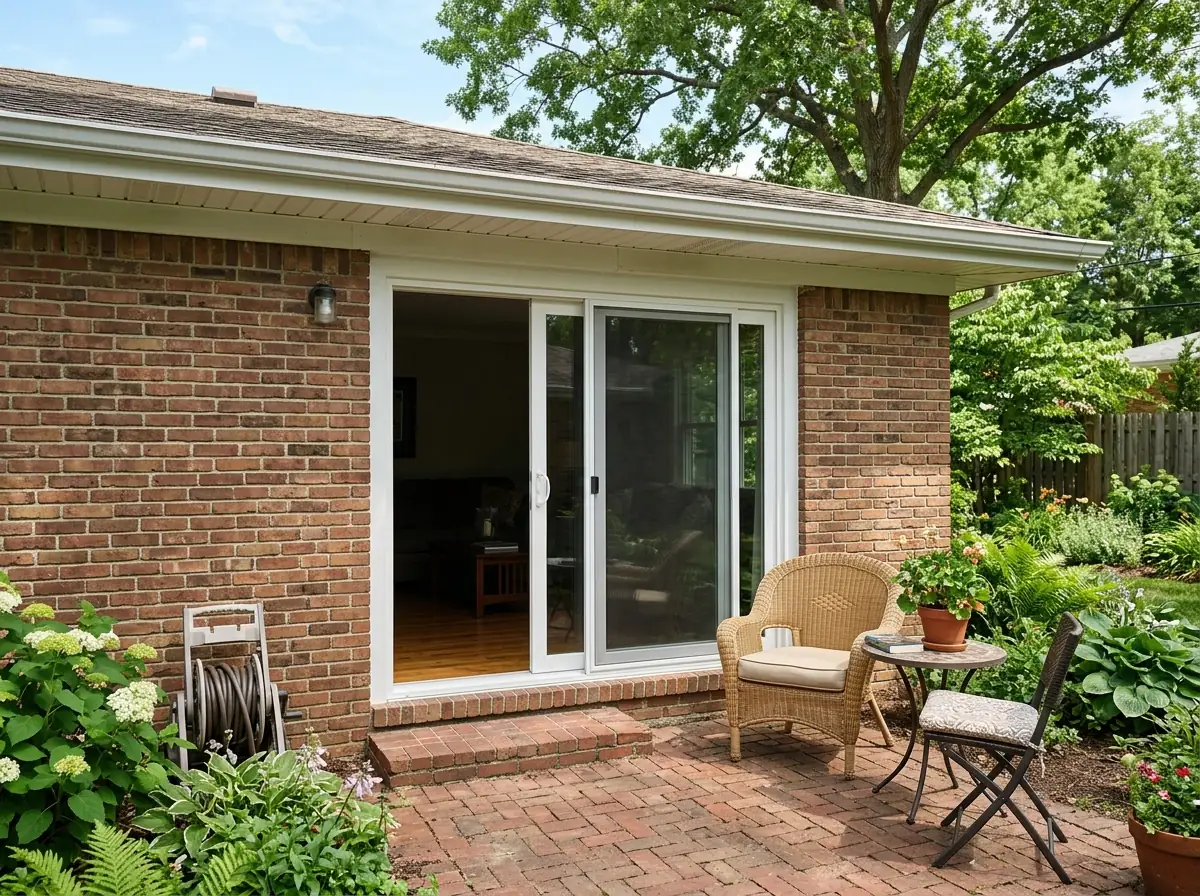
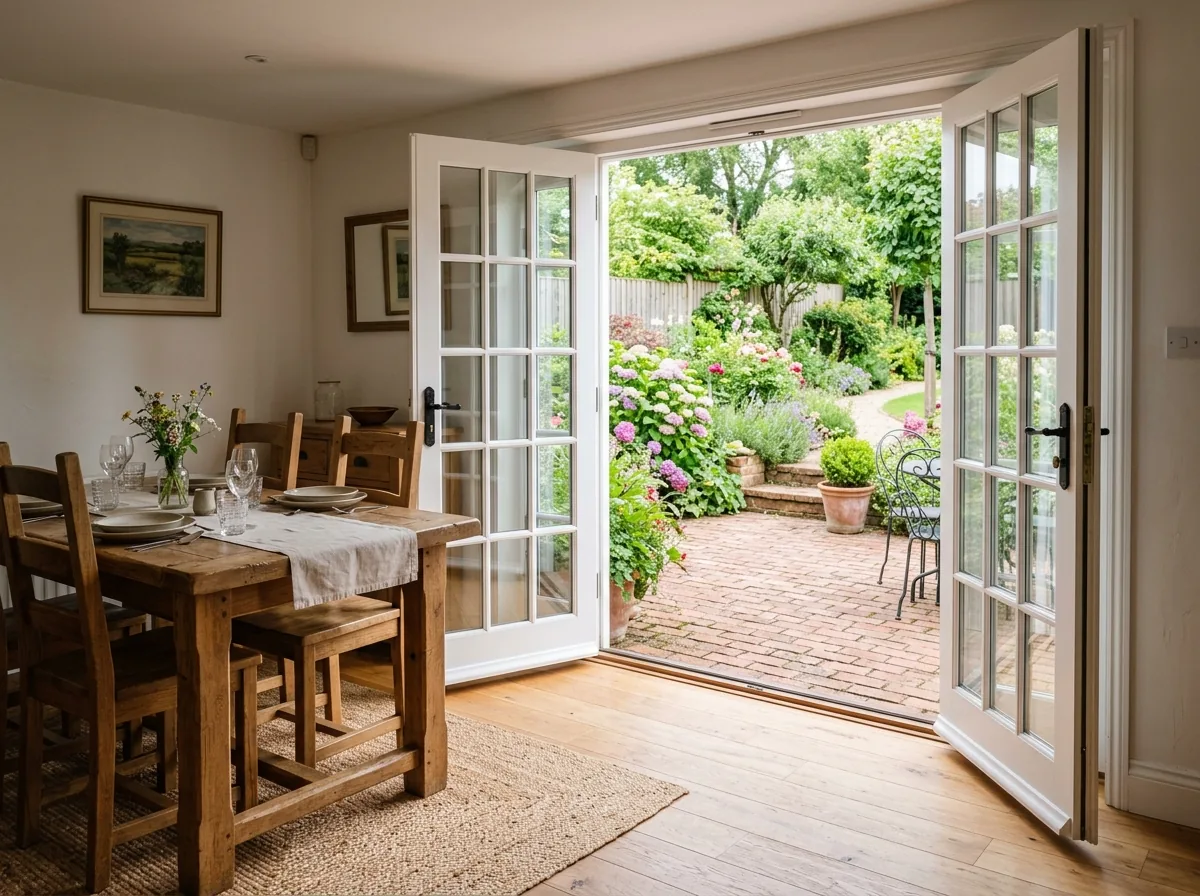
A sliding patio door has one fixed and one moving panel on rollers; a French door swings on hinges, in or out, as a pair or a single door with sidelites. Sliders save floor space on a deck. French doors open the full width and suit older brick homes. The glass in any door is a hazardous location under the Virginia Residential Code, so every panel has to be safety glazing, tempered or laminated. A sill pan under the threshold matters as much as the door itself: water running past a door that sits straight on the floor framing is a common way the subfloor under an old slider rots.
See Sliding Glass Doors in Richmond, VA; hinged pairs have their own page at French Doors in Richmond, VA.
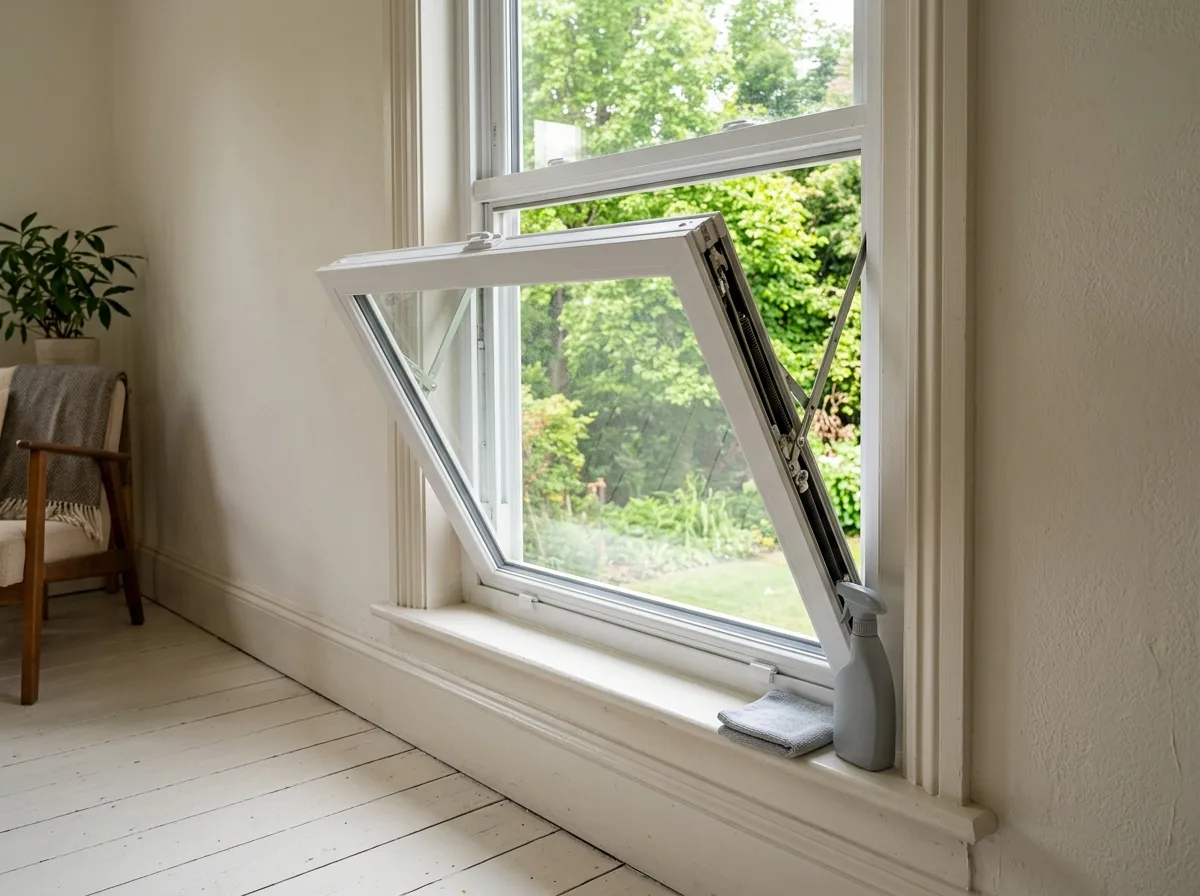
Double-Hung Windows and Single-Hung Units
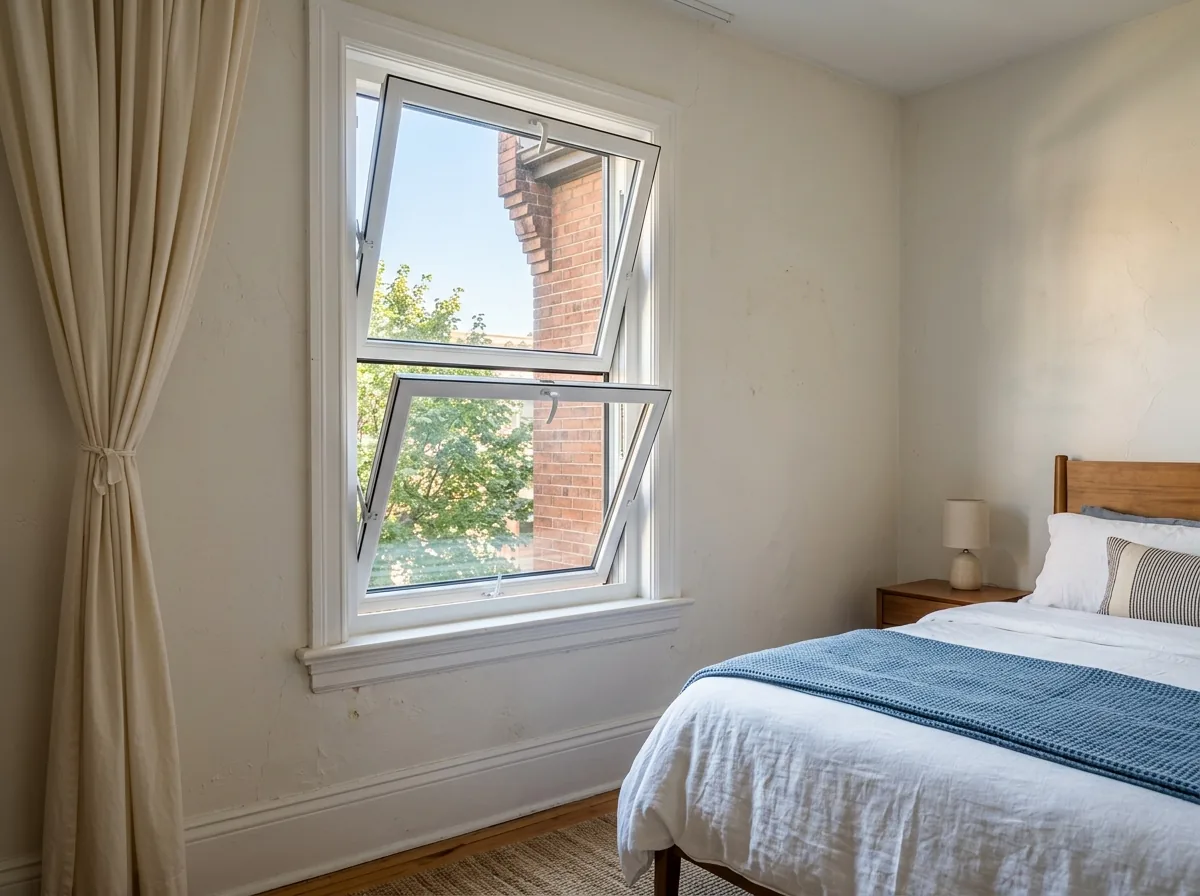
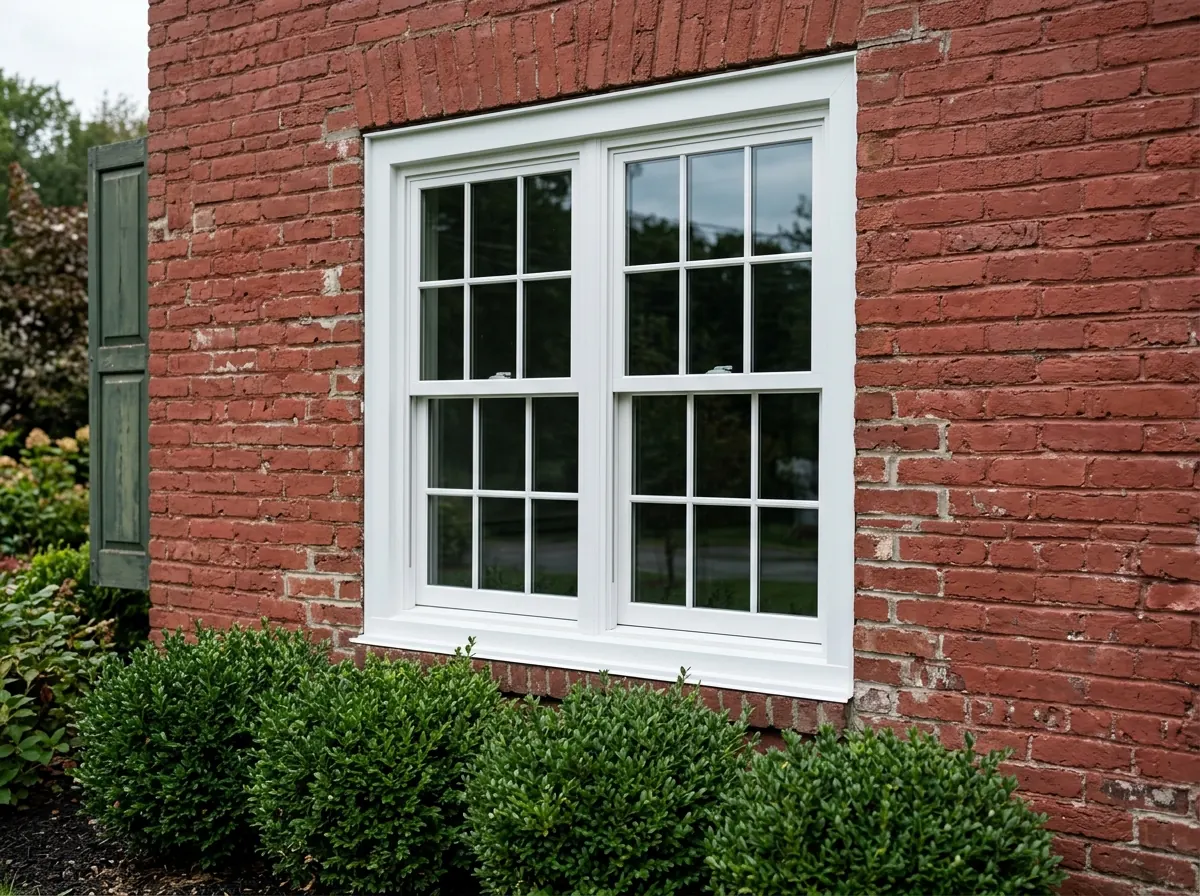
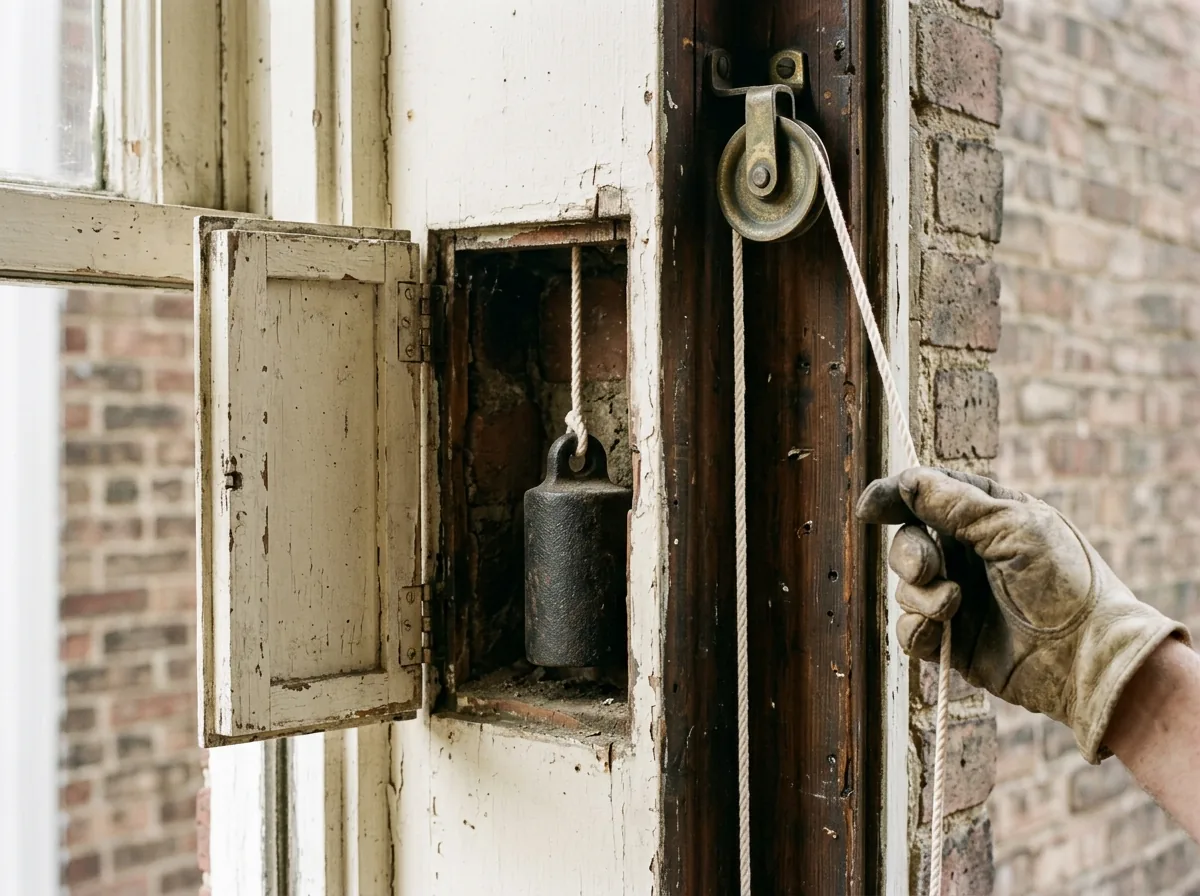
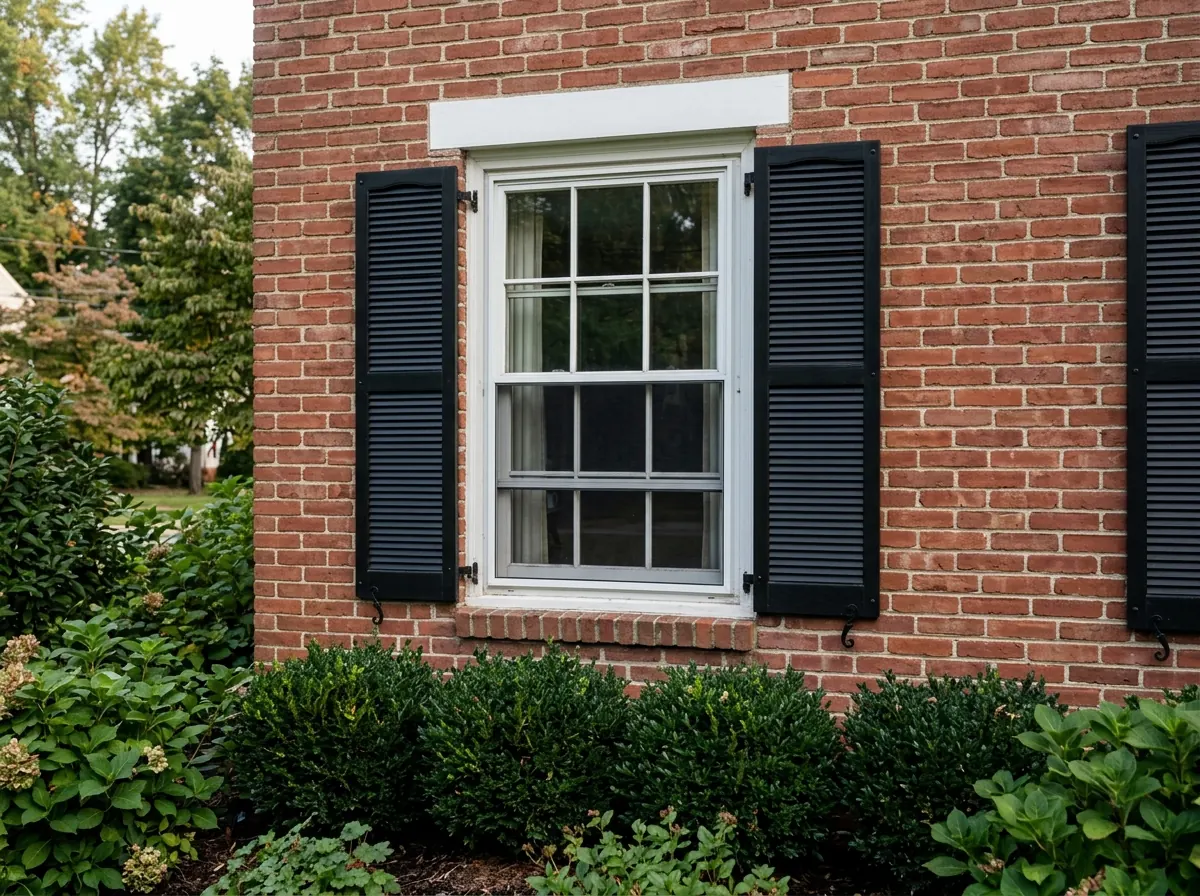
Double-hungs are the window you see in rows down Colonial Revival fronts and rowhouse facades. Both sashes slide, and modern versions tilt in so you can clean the outside glass from the room. Inside the jambs, spring or block-and-tackle balances do the lifting that iron sash weights used to do. A single-hung unit moves only the bottom sash, costs a little less and has one fewer seal line to leak. Grille patterns matter on older homes: six-over-six or two-over-two grids, either applied to the glass or sealed between the panes, keep a replacement looking like it belongs.
See Double-Hung Windows in Richmond, VA. When the frame is fine and only the sashes are worn, Window Sash Replacement in Richmond, VA may be enough.
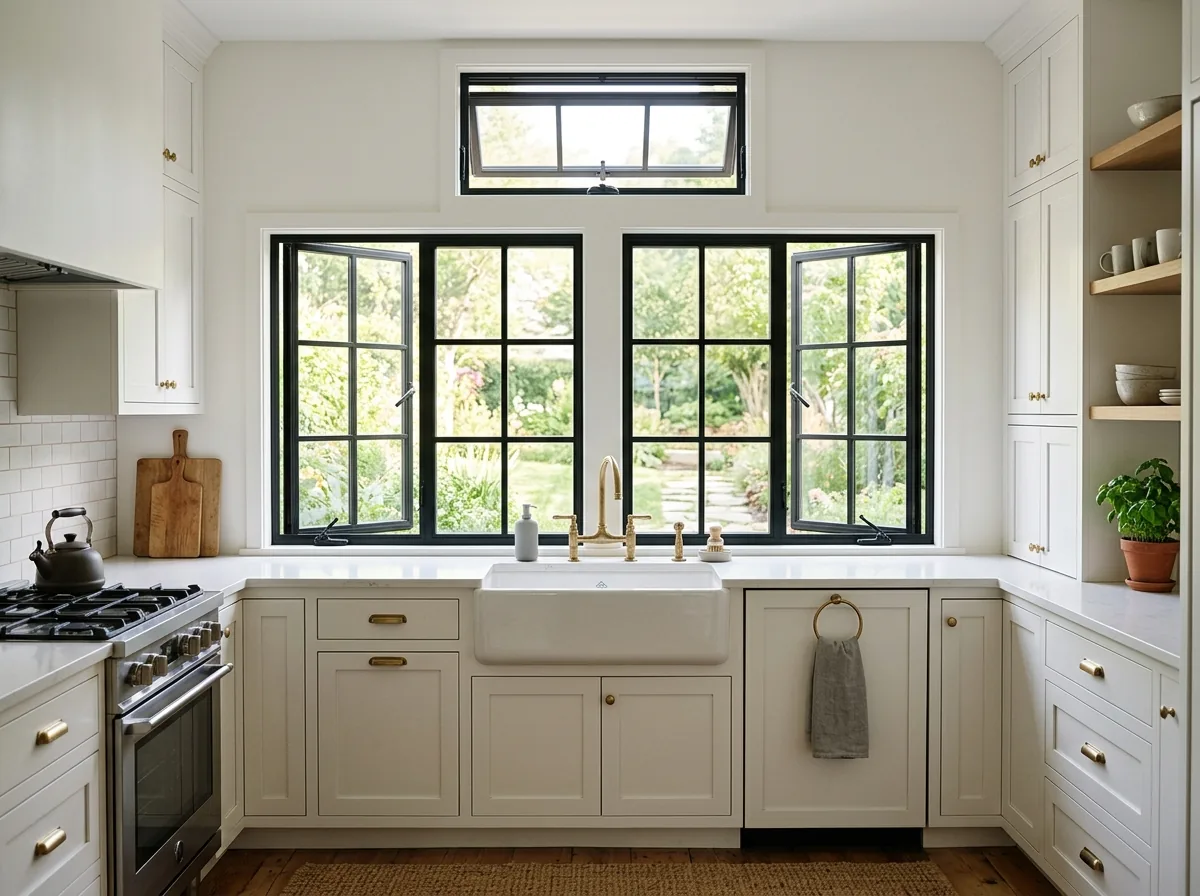
Casement Windows and Awning Windows
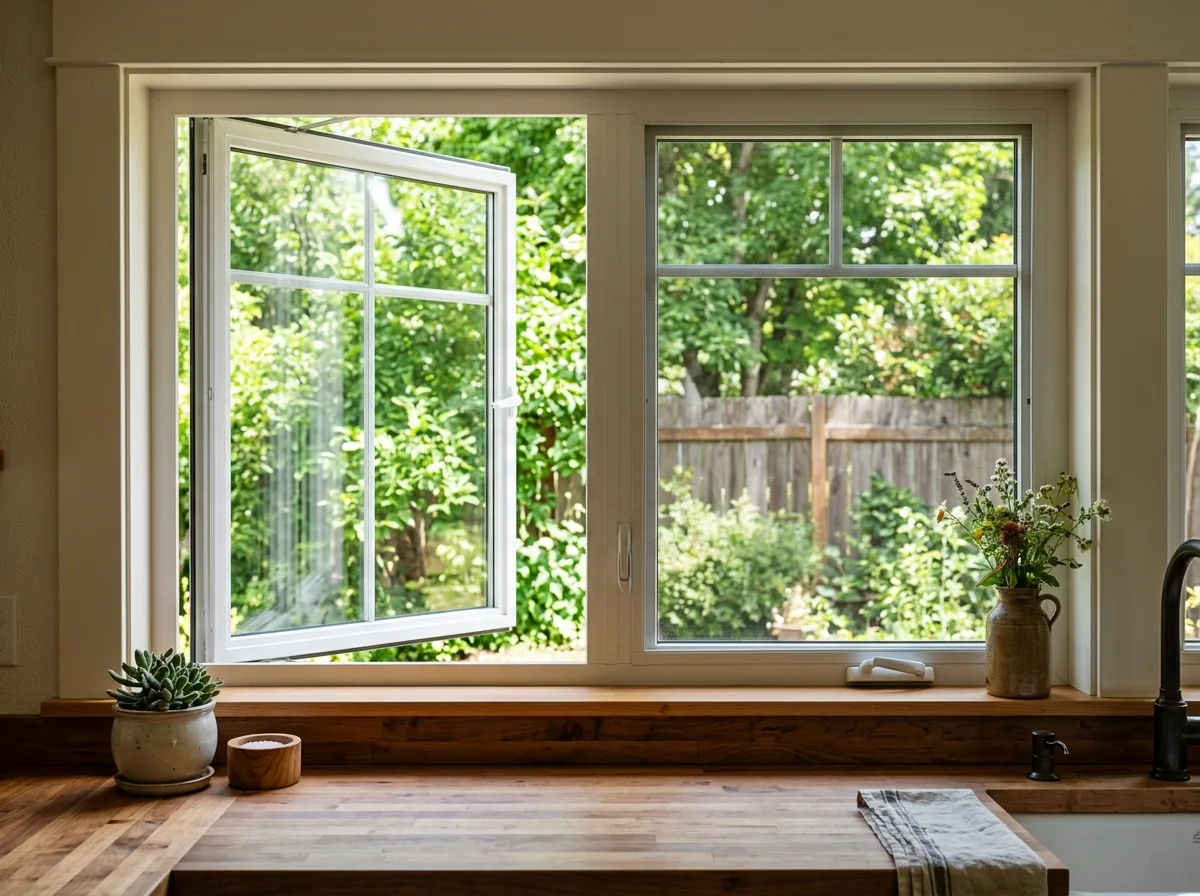
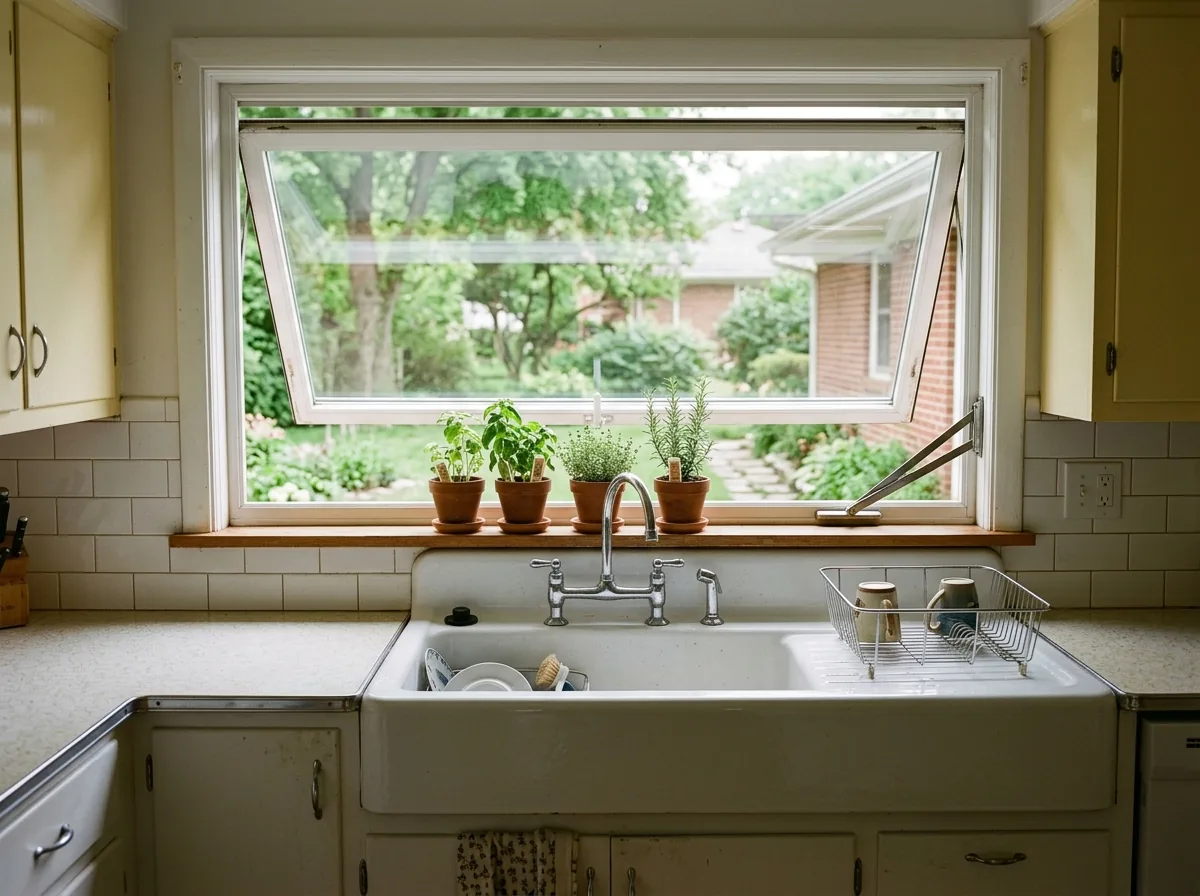
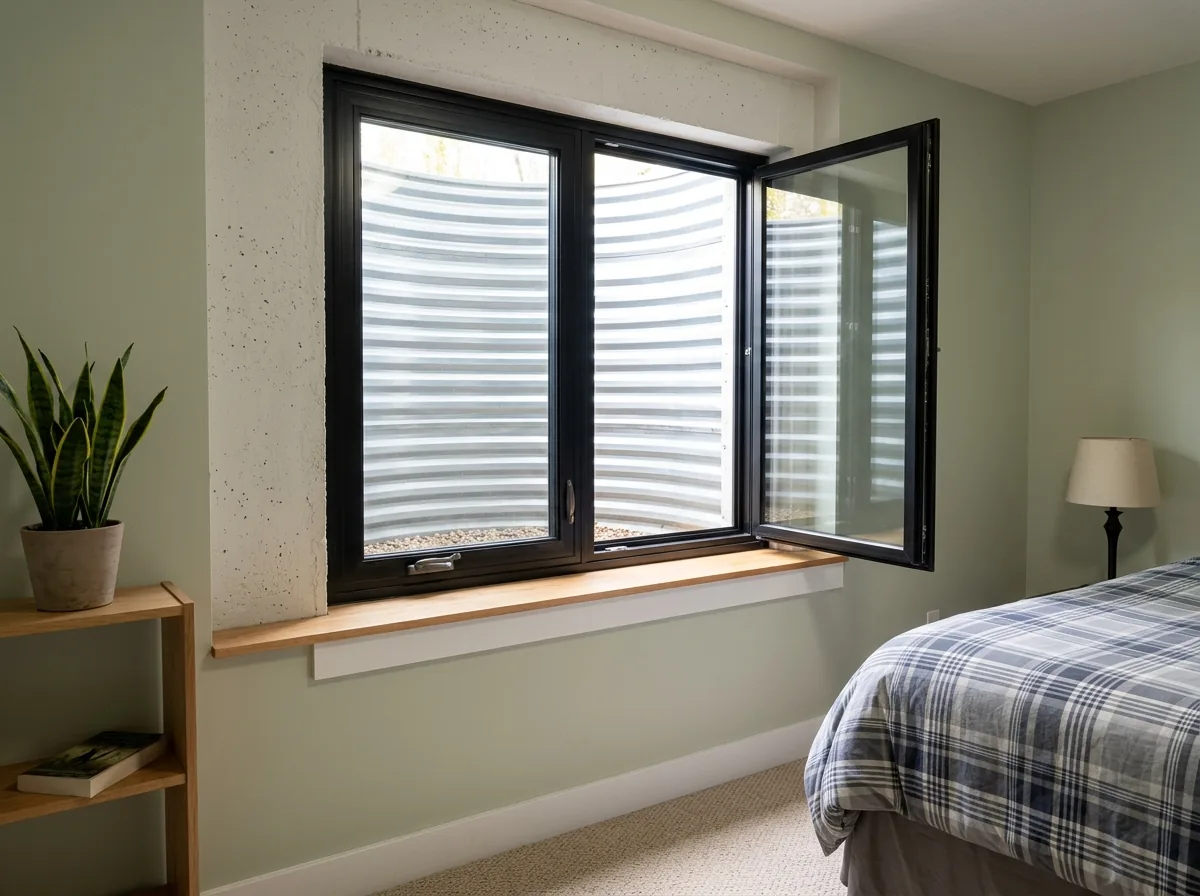
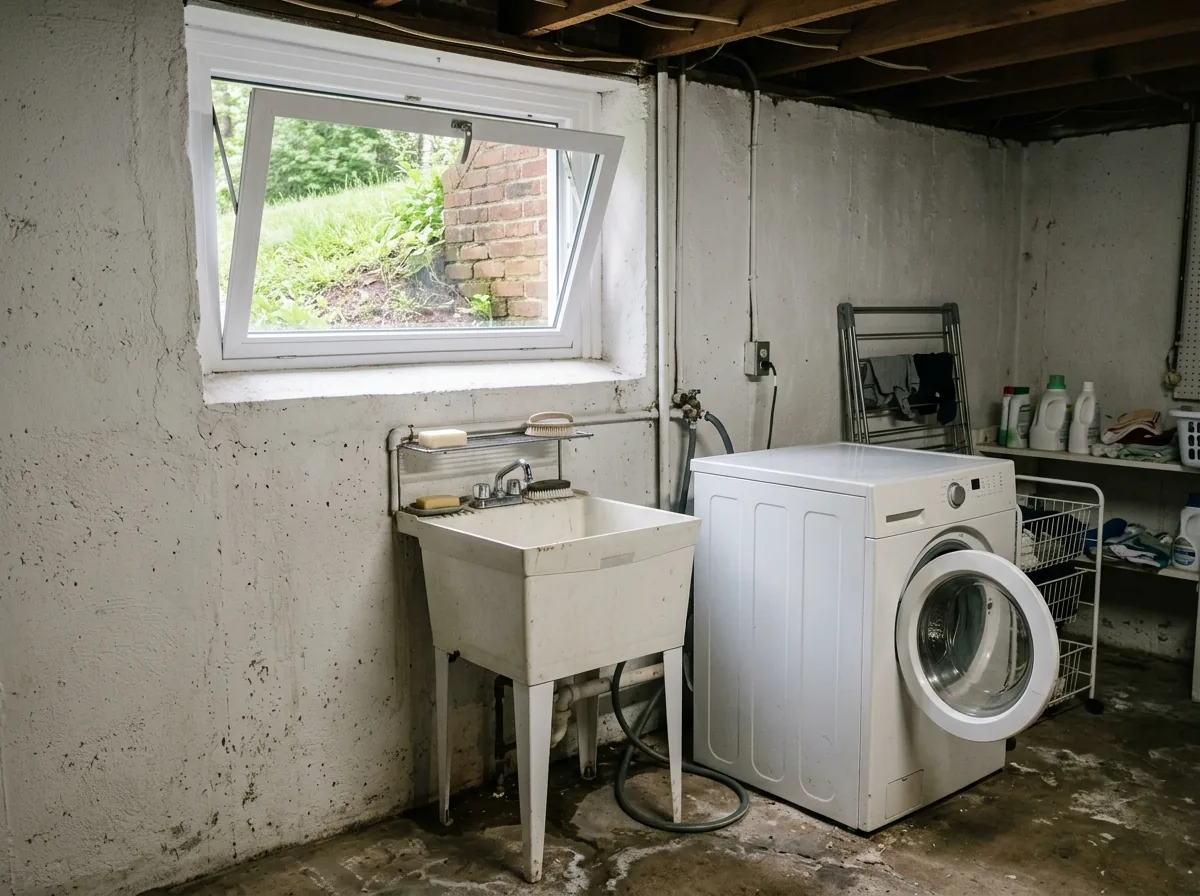
A casement swings out on side hinges and opens with a crank; an awning hinges at the top and pushes out from the bottom. When they close, the sash presses against a compression seal and a multipoint lock pulls it tight, so they usually leak less air than sliding styles. A casement is the easy reach over a kitchen sink. An awning can stay open in a light rain, which is why they show up in bathrooms and basements. A casement also gives the most clear opening for its size, which helps when a bedroom window has to meet egress rules.
See Casement Windows in Richmond, VA, and Awning Windows in Richmond, VA for the top-hinged kind.
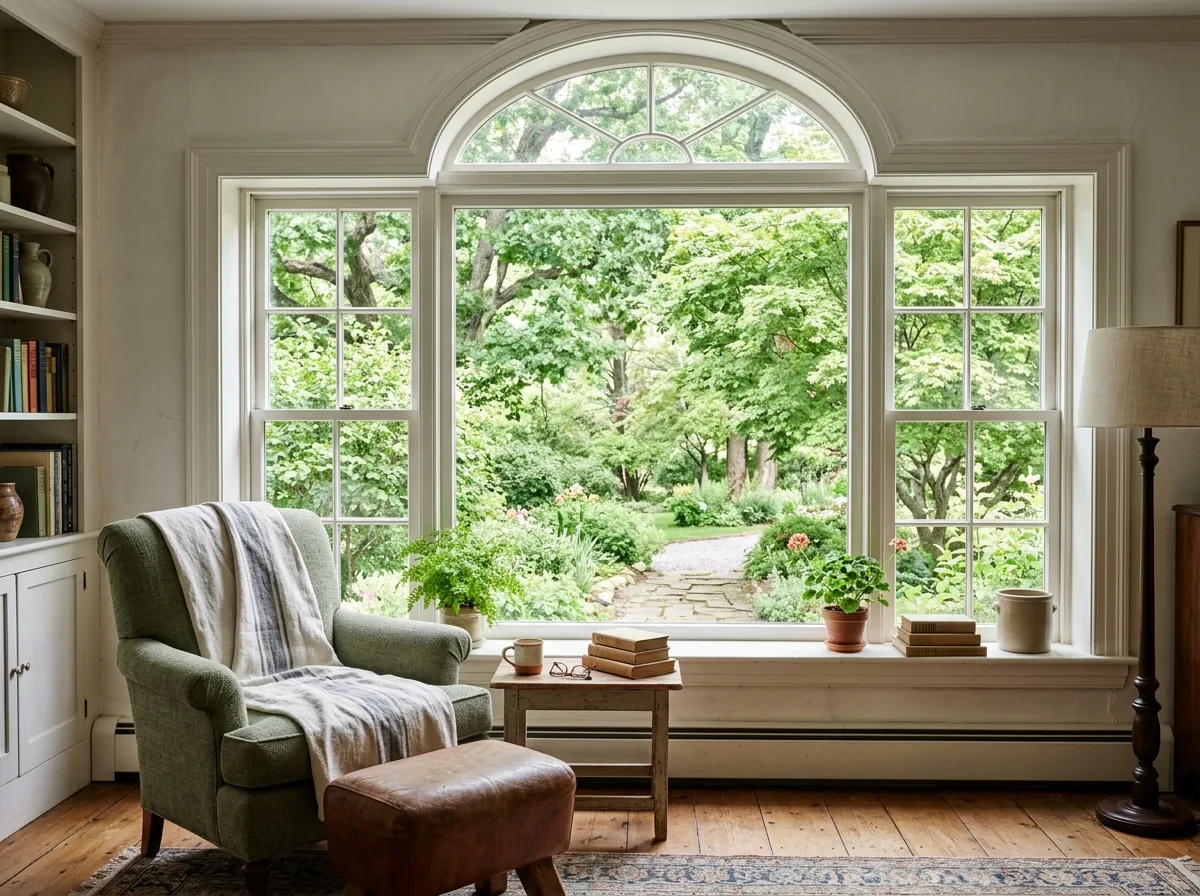
Picture Windows and Custom Shapes
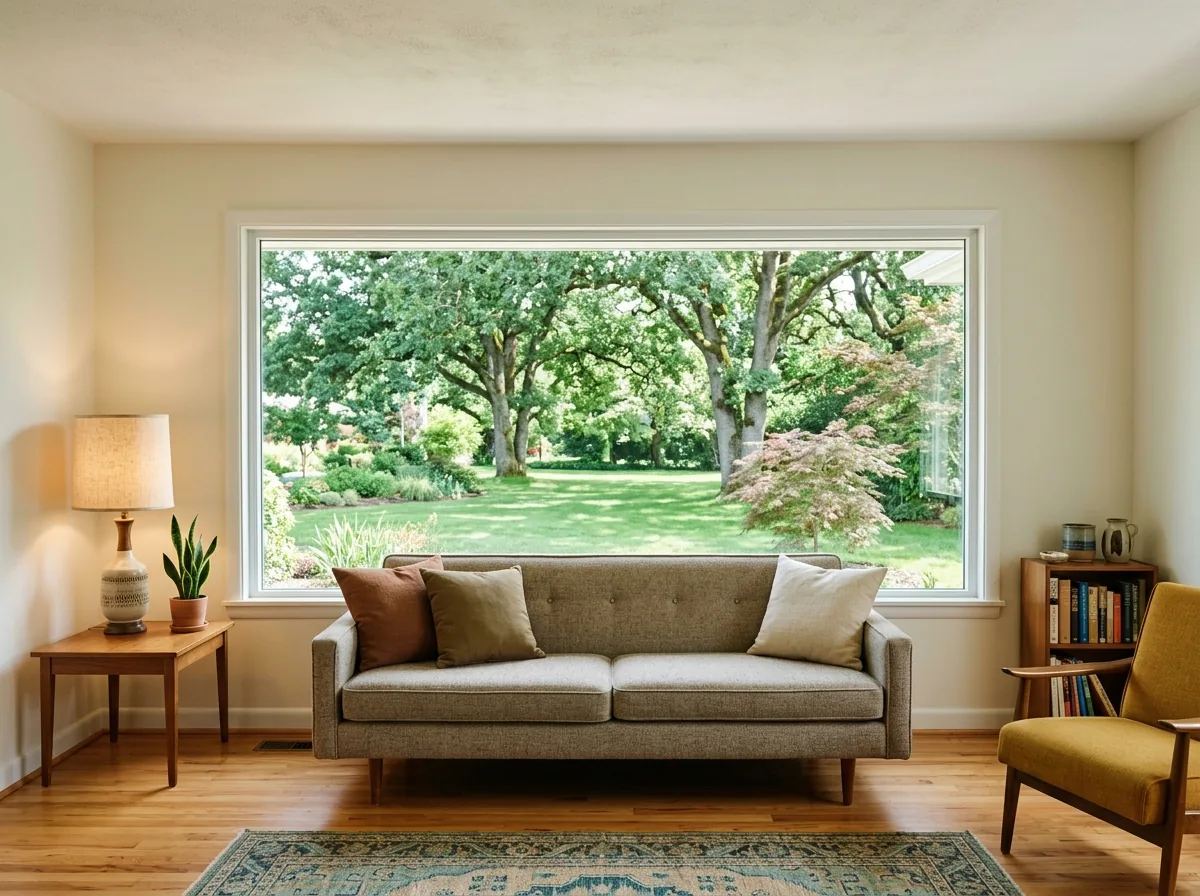
A picture window doesn't open, so you get the most glass and the least frame for the money. It's often mulled between two operating units so the room still gets air. Custom shapes (half-rounds, quarter arches, octagons, eyebrows, transoms over doors) are built to a template or to exact measurements taken at the house, and they take longer to arrive than standard sizes. Large fixed panes low to the floor can fall under the safety glazing rules too.
See Picture Windows in Richmond, VA. Arches and other glass above a door or window are on Transom Windows in Richmond, VA.
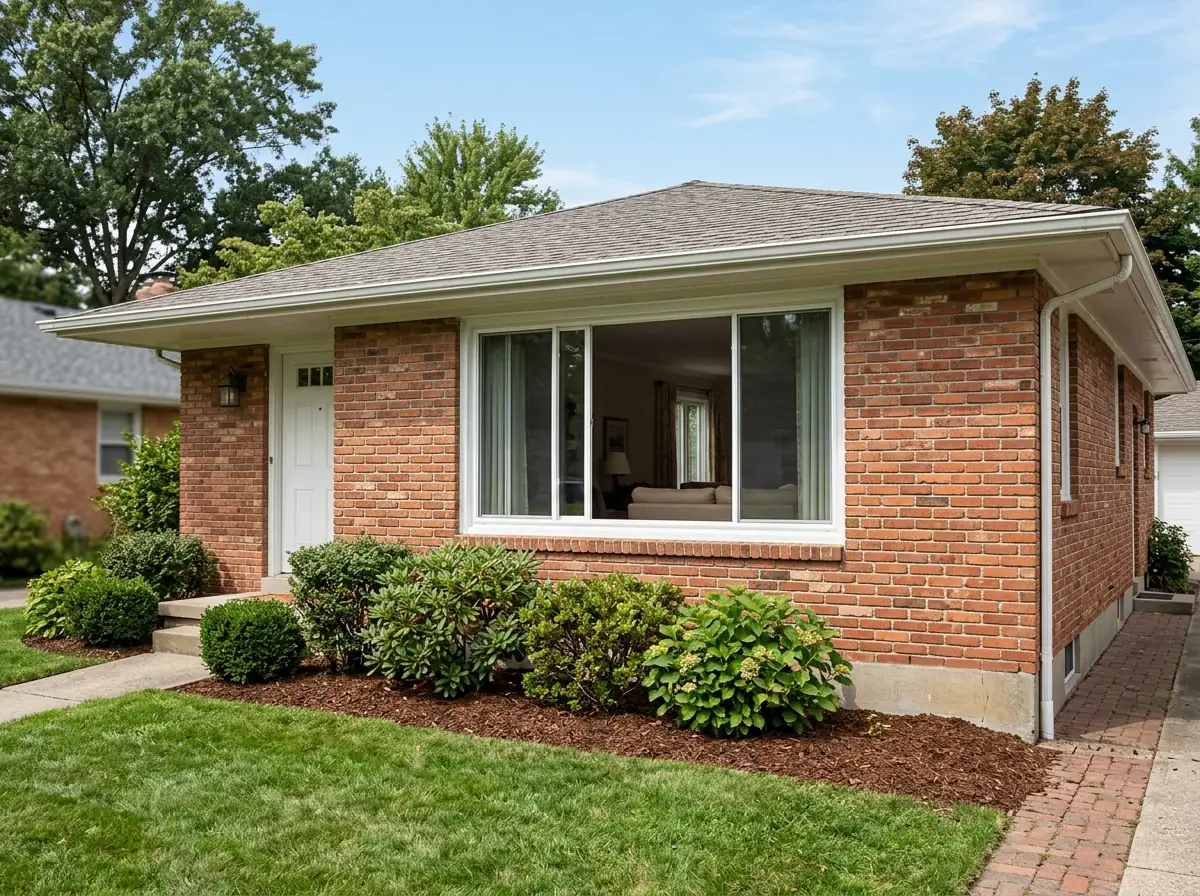
Sliding Windows for Wide, Short Openings
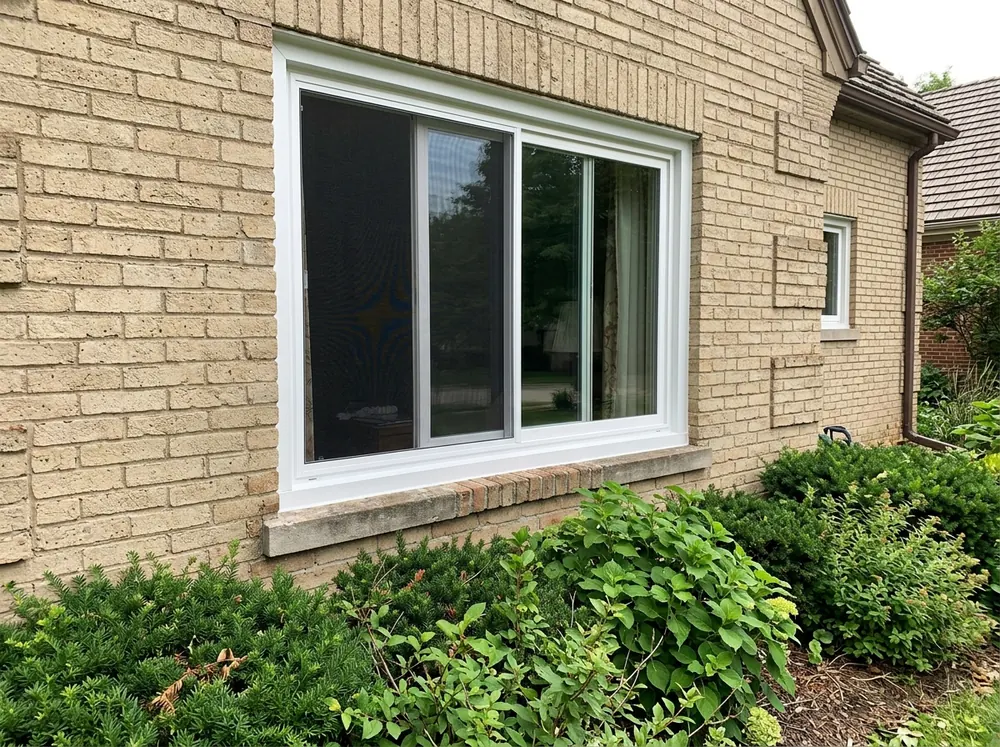
A horizontal slider is the usual fit for the wide, short openings on ranch homes and over kitchen counters. One sash is fixed and the other rolls in a track in the sill. With no crank and no balances, there's little to wear out. Keep the track and its weep holes clear, though: a slider that collects grit and pine needles drains badly and starts to drag.
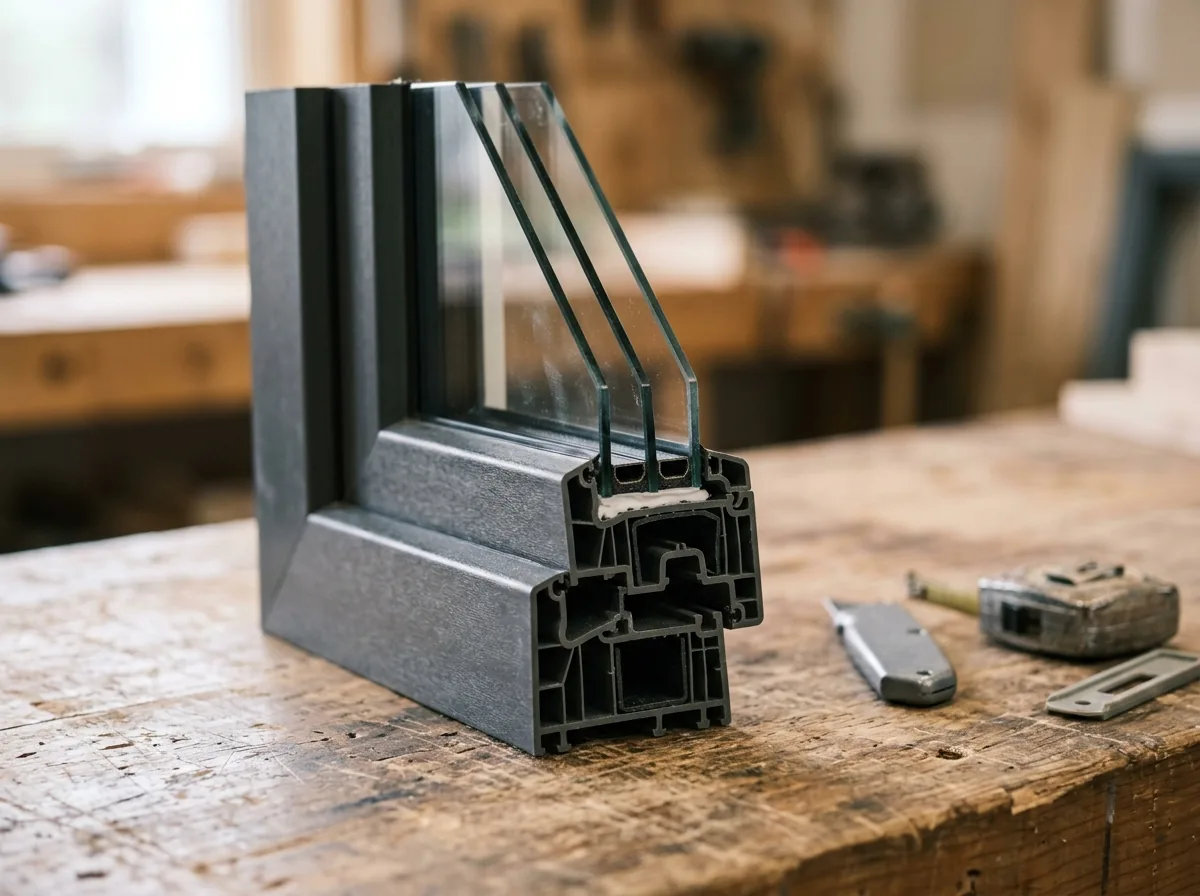
Energy-Efficient Windows: Double and Triple Pane
According to the Department of Energy, heat gain and loss through windows account for 25% to 30% of the energy a home uses for heating and cooling. Low-E coatings, argon fill and warm-edge spacers are what cut it. Read two numbers off the NFRC label: U-factor (heat loss, lower is better) and solar heat gain coefficient (SHGC, the share of sunlight that gets through as heat). Virginia's energy code requires U-0.30 or lower and SHGC 0.40 or lower for windows in Richmond, replacements included. ENERGY STAR's ZIP list puts Richmond city ZIP codes such as 23219, 23220 and 23224 in its North-Central zone, where a certified window needs U-0.25 or lower and the same 0.40 SHGC. Our view: in a climate this mixed, a good double-pane low-E unit gets most of the benefit, and triple pane earns its price mainly on noisy streets or a cold north wall.
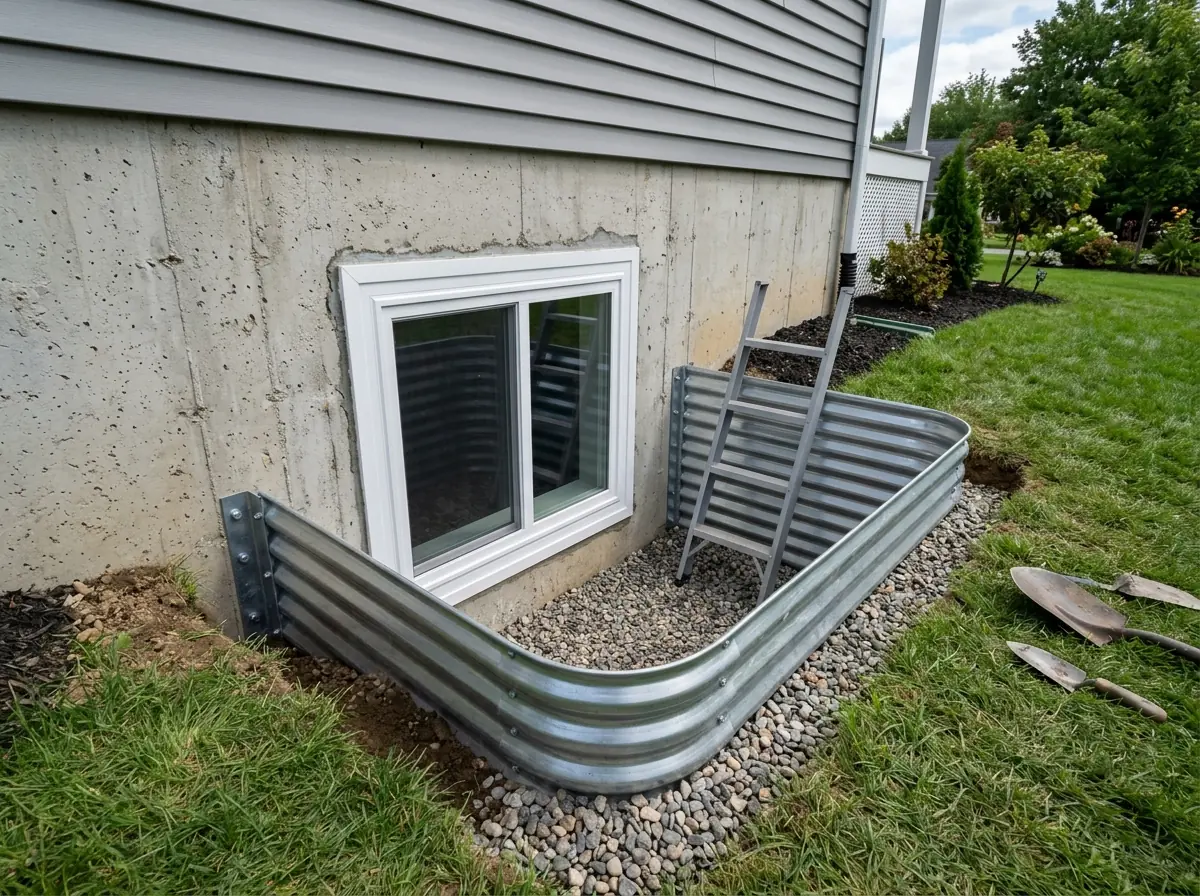
Egress Windows and Basement Windows
Virginia's residential code requires an emergency escape opening in every sleeping room and in basements. Minimums: 5.7 square feet of net clear opening (5 square feet for a grade-floor or below-grade opening), with the clear opening at least 24 inches tall and 20 inches wide. Finishing a basement bedroom usually means cutting the foundation wall, adding a window well with a ladder and setting a larger unit, and that is permitted work. Swapping an existing basement hopper for a new one is simpler, and a replacement window can stay at its current size if it's the largest standard unit that fits the opening and works the same way as the old one.
See Egress Windows in Richmond, VA for bedroom escape openings, and Basement Windows in Richmond, VA for hoppers and other below-grade units.
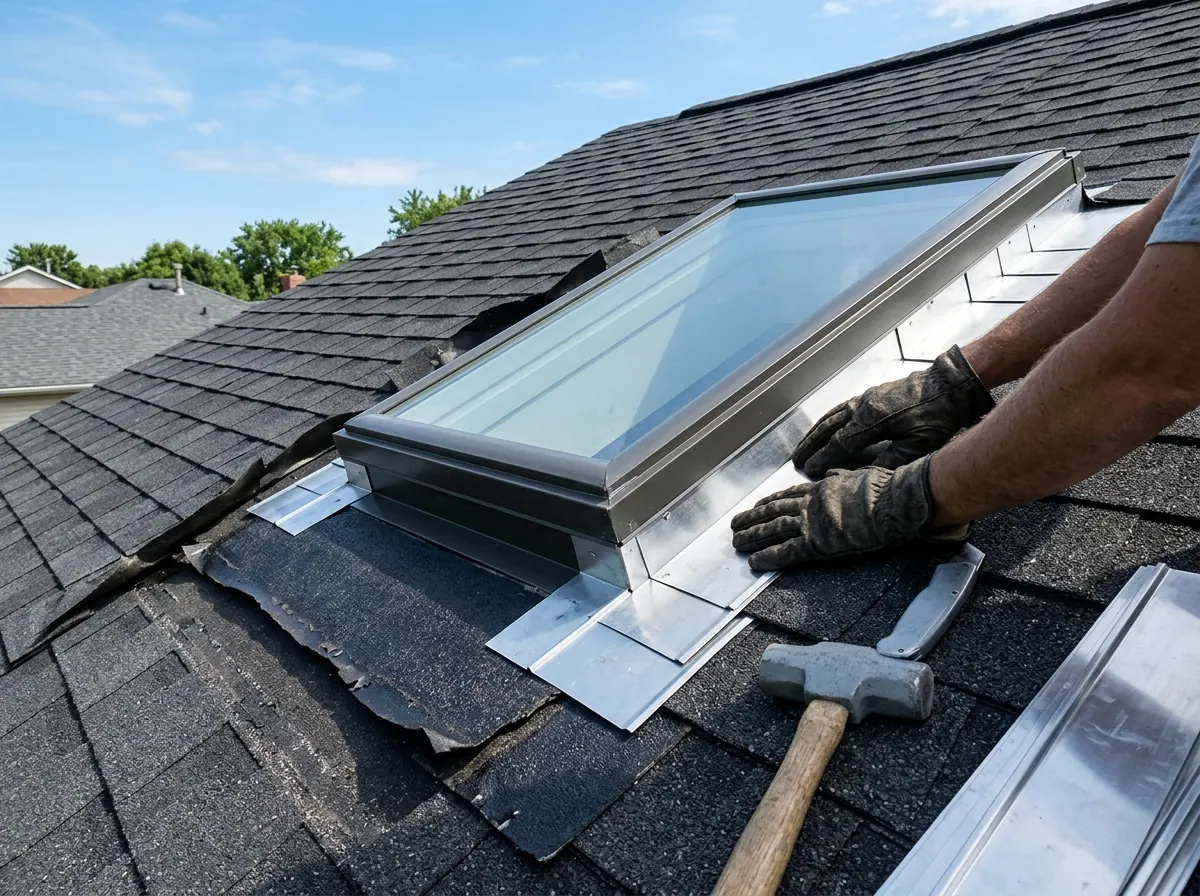
Skylights: Installation and Replacement
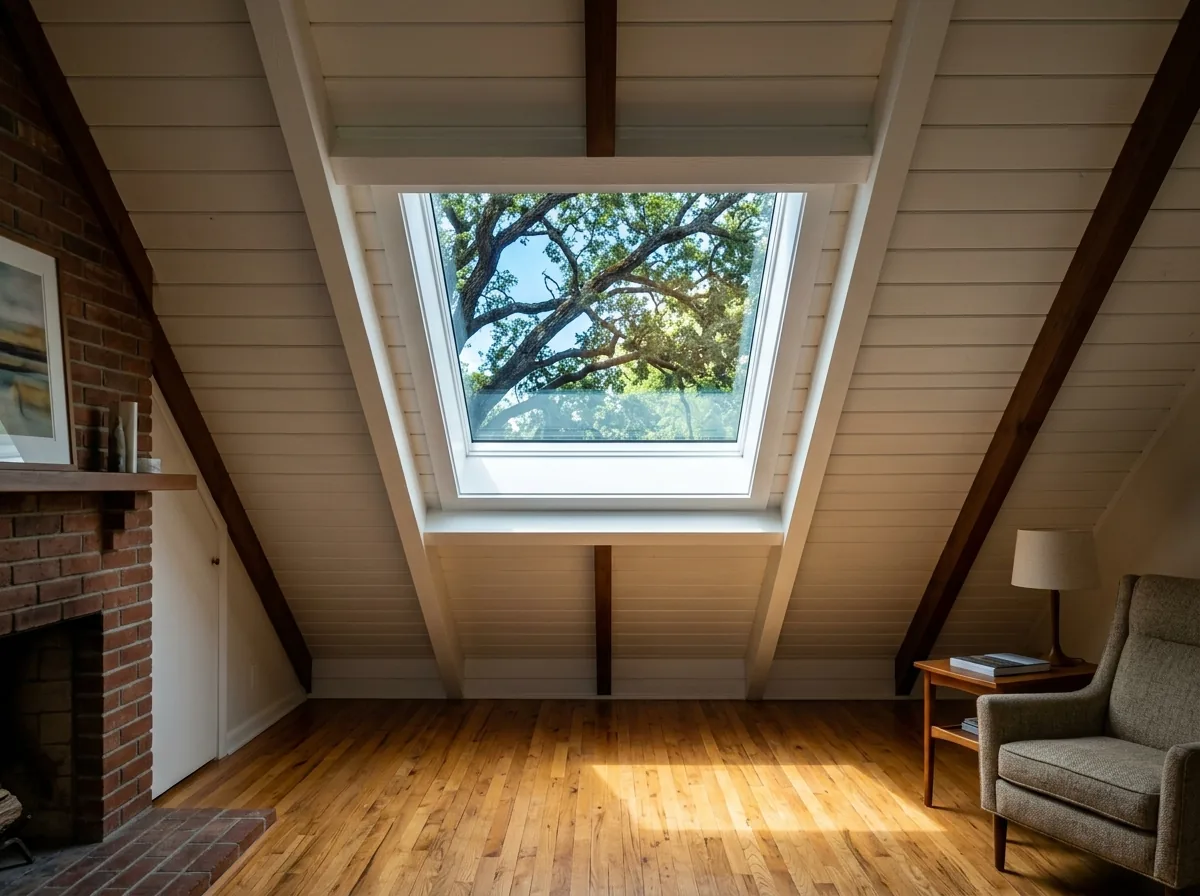
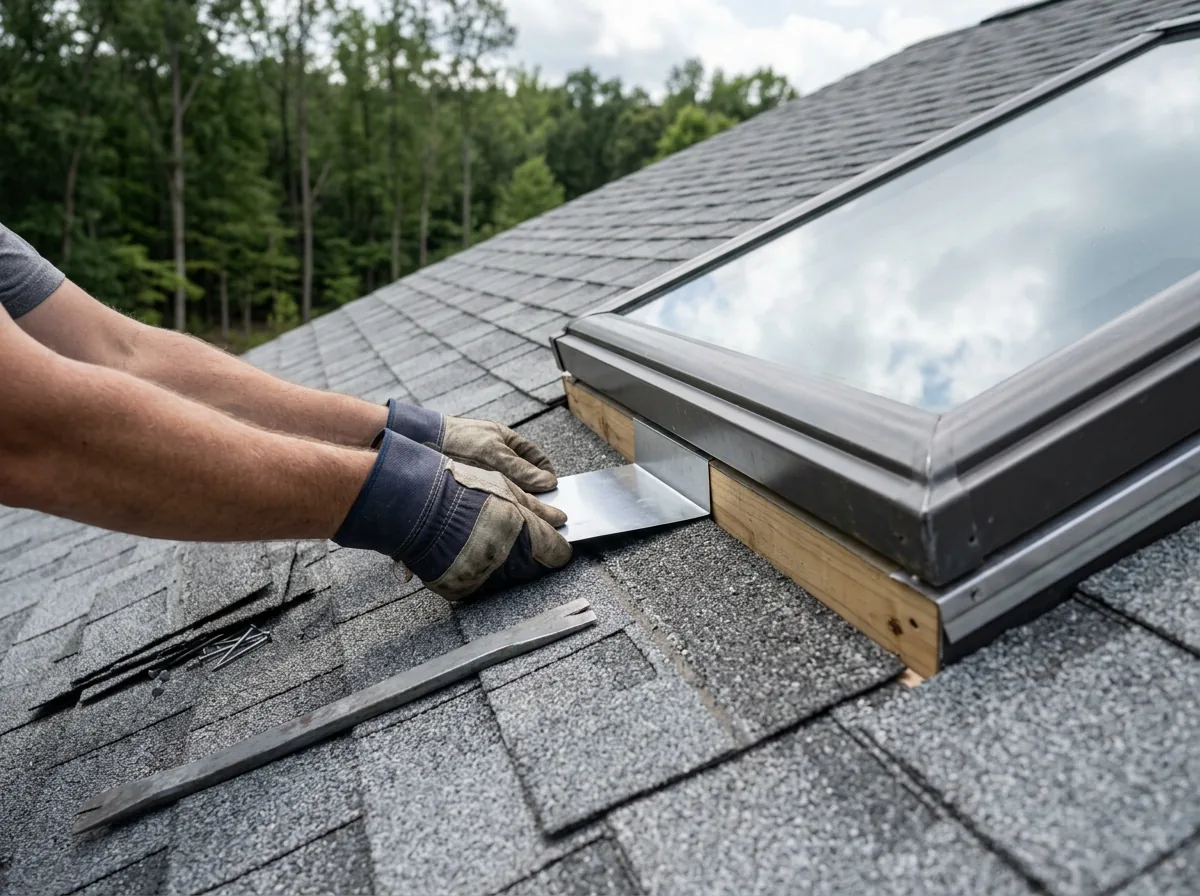
Skylights draw more Richmond searches than any other window product. A deck-mounted skylight sits right on the roof sheathing with its own flashing kit; a curb-mounted unit sits on a raised wood box, which is common on older installs and low-slope roofs. Choose fixed or venting (manual, electric or solar-powered), or a tubular skylight for a hallway or bath. Almost every skylight leak is a flashing leak, so time the replacement with a reroof when the shingles are near the end anyway. Virginia's energy code allows skylights a U-factor of 0.55.
See Skylights in Richmond, VA. A skylight that leaks or fogs but is otherwise sound: Skylight Repair in Richmond, VA.
Storm Windows for Older Houses
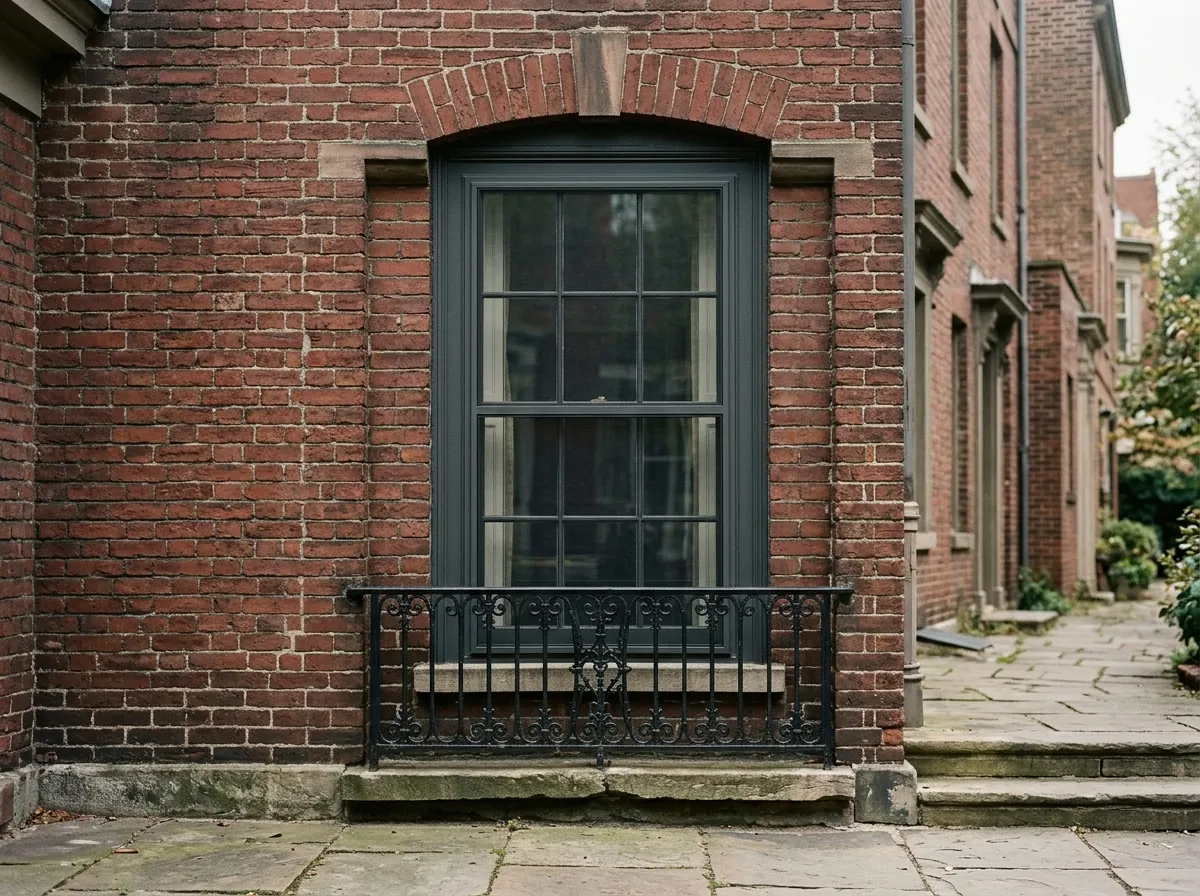
A storm window keeps the original sash and adds a second layer of glass outside or inside it. Exterior triple-track storms carry two glass panels and a screen. Interior storms press into the casing and disappear from the street. Low-E glass is available in storm panels as well. On a house in a City Old and Historic District, storms are often the realistic route, because the city's review board staff can approve exterior storm windows while replacing repairable wood sash is rarely allowed.
Window Repair and Restoration in Richmond
When the frame is sound, repair is often the cheaper and more honest answer, and the installer we refer should tell you so.
Foggy Glass and Failed Seal Replacement
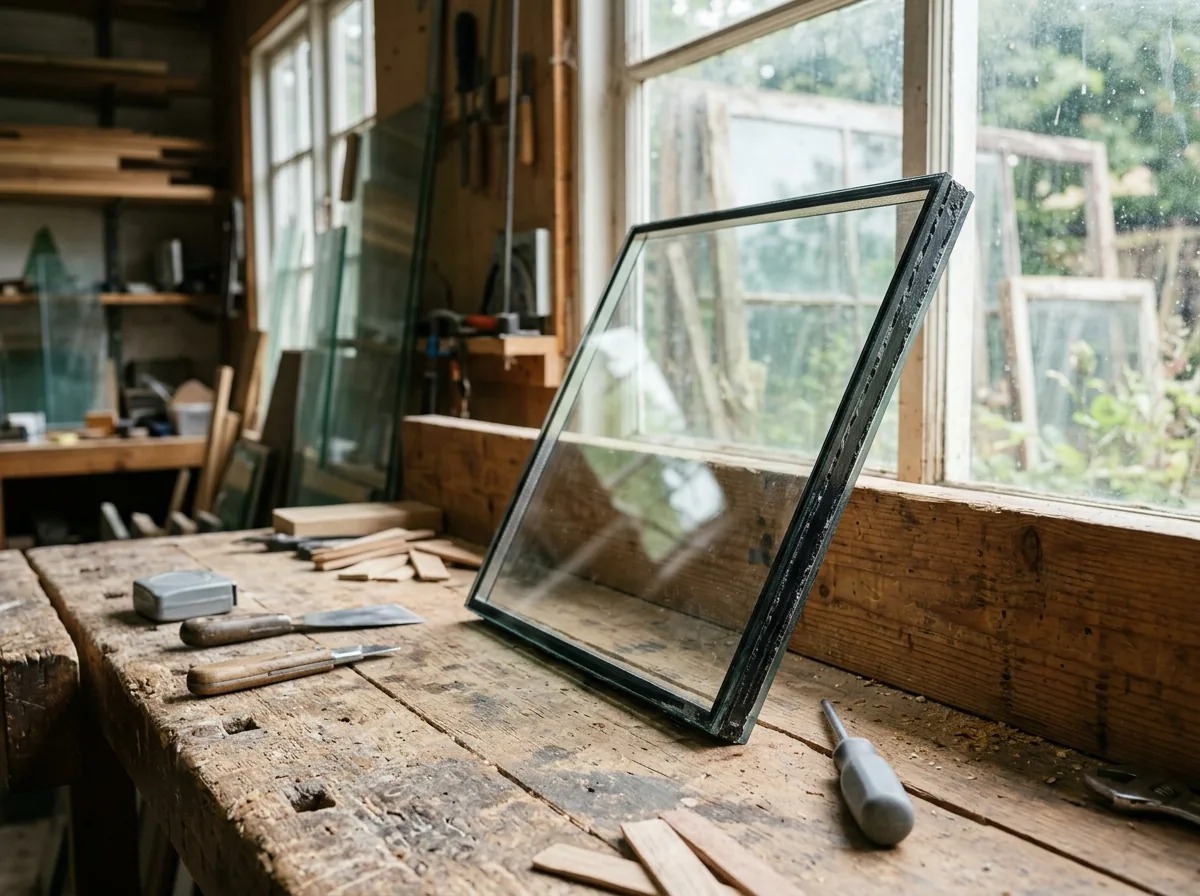
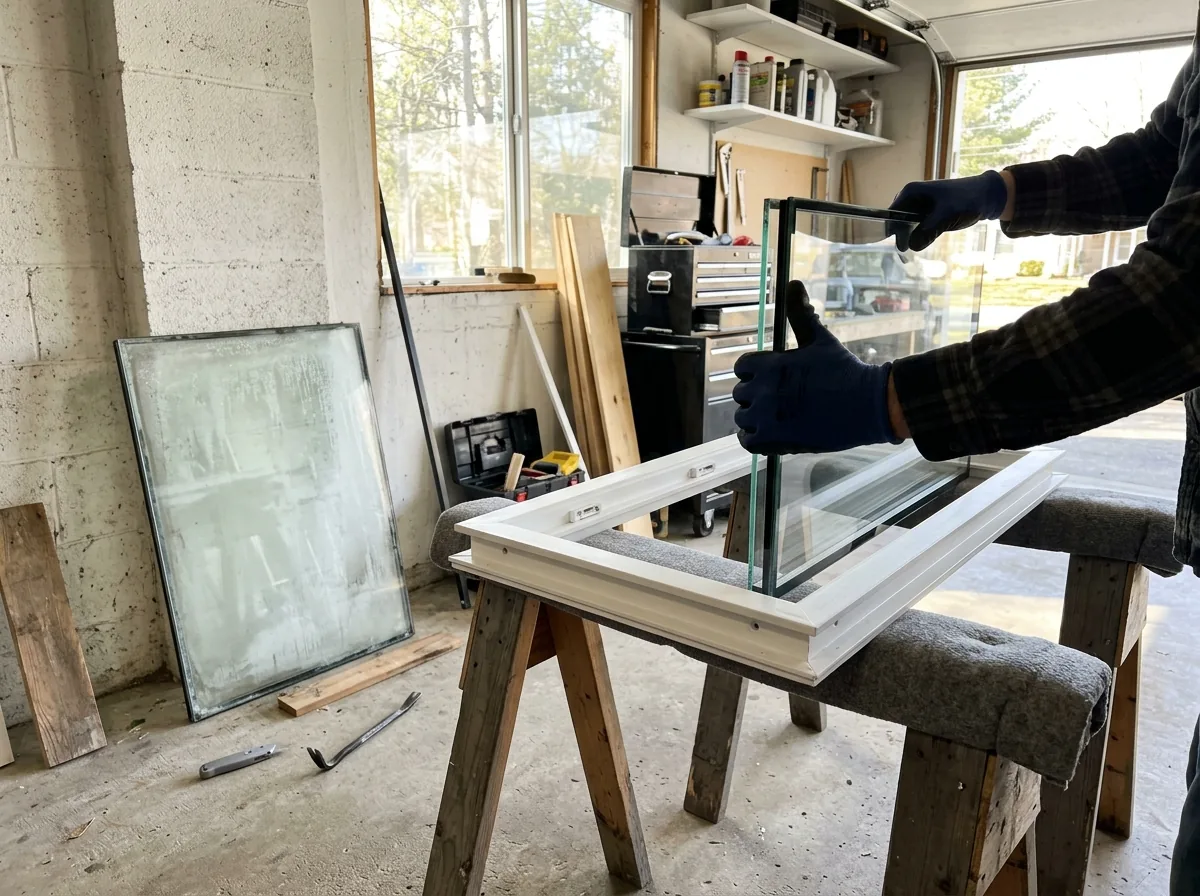
A milky haze you can't wipe off from either side means the glass unit's edge seal has let go. The fix is a new glass unit made to the old one's size and set in the existing sash. It's worth doing on a newer frame. On a frame that's old, drafty and fogging in several places, the money is better spent on new windows.
Sash, Balance and Hardware Repair
Sashes that slam down, won't stay up or won't tilt usually have worn balances, broken pivots or missing tilt latches. Casements stop opening when a crank operator strips. Locks, keepers and worn weatherstripping are cheap parts that fix a lot of drafts.
Wood Window Restoration
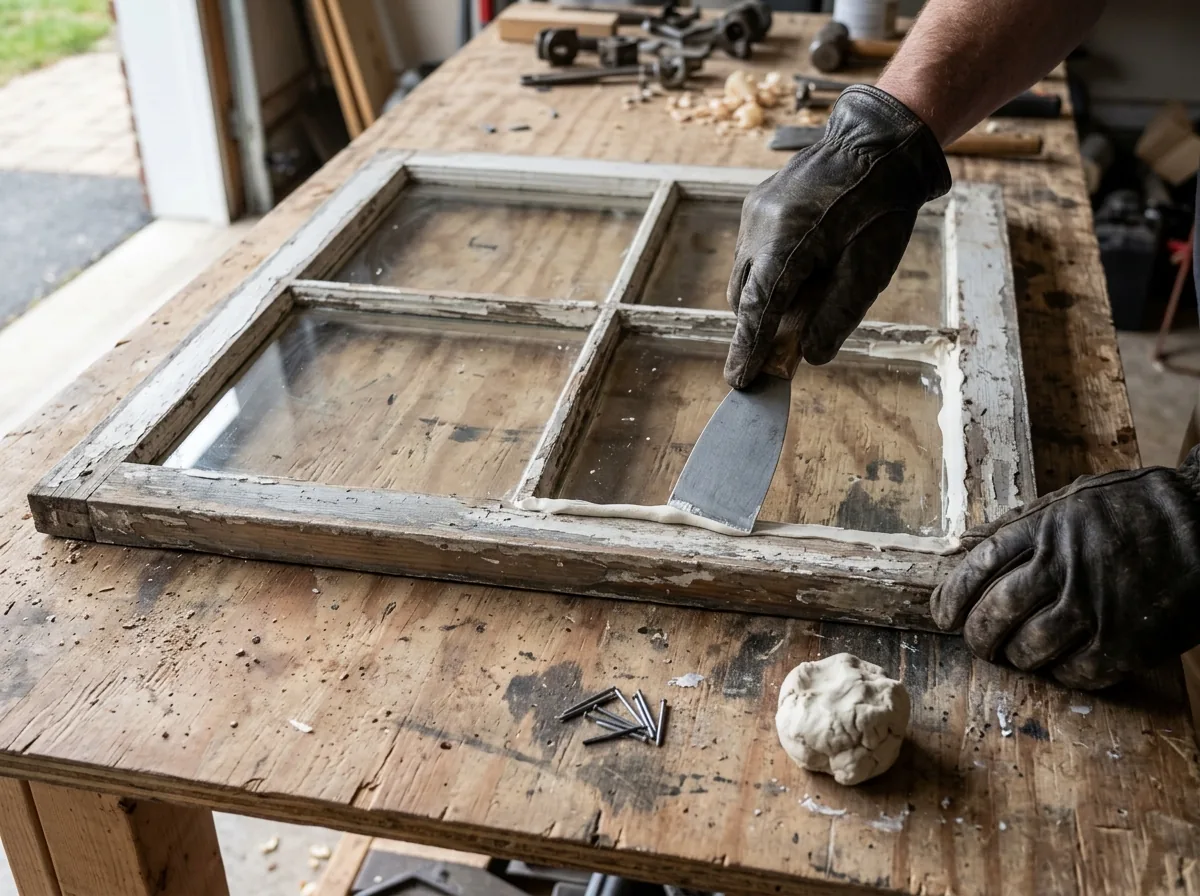
Old-growth wood sash can be stripped, reglazed with fresh putty, primed and painted, and its rope-and-pulley weights rehung. Soft spots take an epoxy consolidant and filler. Wavy original glass is saved where it can be. In Richmond's historic districts this is often the only work the review board will approve.
Rotted Sill and Frame Repair
A screwdriver pushed into the sill tells you how far rot has gone. Shallow damage gets cut out and patched with a matching piece of wood, called a dutchman. A sill that's soft through gets replaced, with flashing tape under it, before any new window or paint goes on.
Broken Window Glass Replacement
A cracked single pane in an old sash is reglazed in place. A broken double-pane window needs a new insulated unit made to size. Glass in or beside a door, or in a large low pane, has to go back as tempered or laminated safety glass.
Window Screen Replacement and Repair
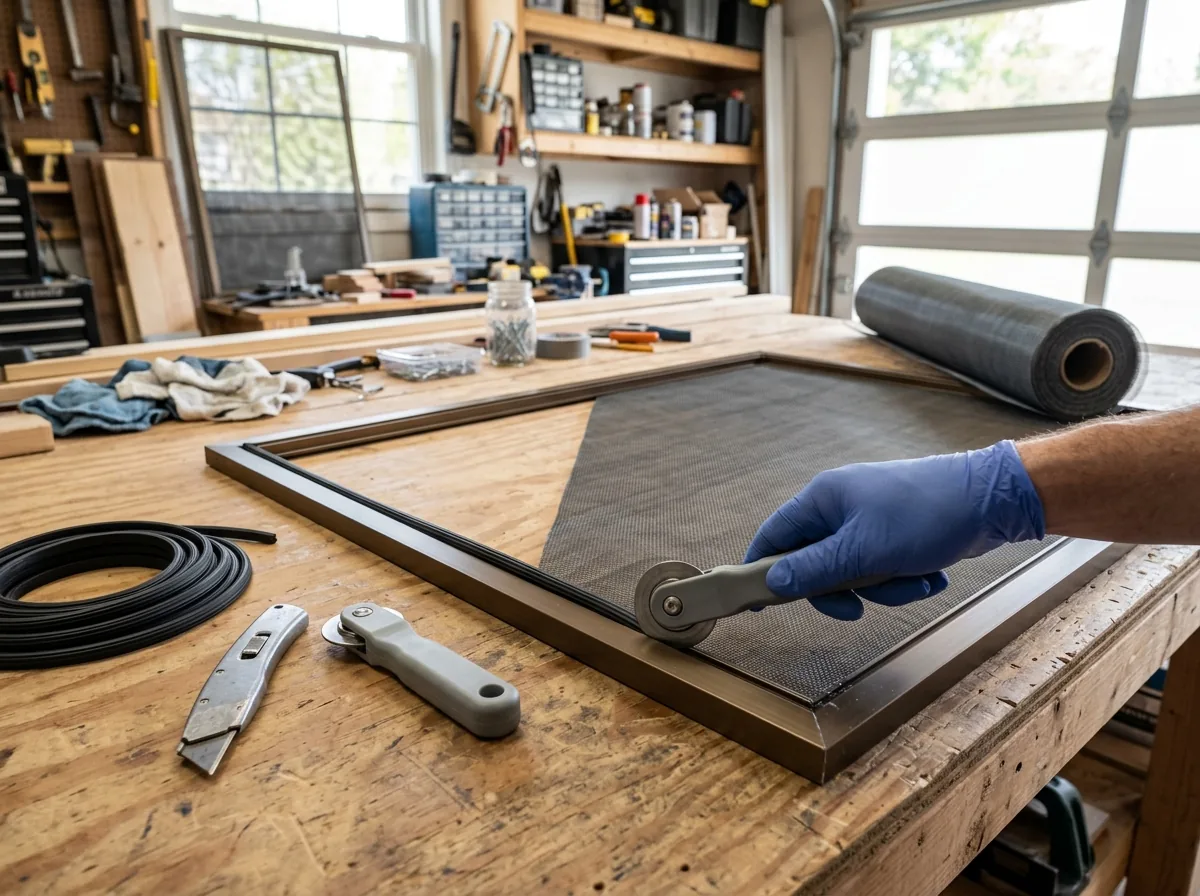
Torn screens get new fiberglass, aluminum or pet-resistant mesh rolled into the old frame. Bent frames, missing screens and sliding screen doors are made to measure.
Window Replacement Cost in Richmond
How much do replacement windows cost in Richmond? No public source publishes a Richmond-only price. HomeGuide's national guide puts most installed replacement windows at $450 to $1,500 each, or $4,500 to $22,500 for a house with 10 to 15 windows. The 2025 Cost vs. Value report priced a 10-window upscale vinyl job in the South Atlantic region, which includes Virginia, at $21,629, with 82.6% of the cost recouped at resale.
That Cost vs. Value job swaps ten 3x5-foot double-hung windows for insulated low-E vinyl units with simulated divided lites and a custom exterior color, keeping the interior trim. The same report put an upscale wood window job in the region at $26,445, with 71.5% recouped. (Data © 2025 Zonda Media, Remodeling 2025 Cost vs. Value Report, costvsvalue.com.)
HomeGuide's installed ranges by type: double-hung $350 to $2,500, casement $400 to $3,000, sliding $300 to $2,300, picture $300 to $1,300, bay $2,000 to $6,000, bow $3,000 to $8,000 or more, and egress $3,000 to $7,000. A replacement patio door runs $700 to $6,500. Storm windows cost $150 to $400 each installed.
What moves a Richmond quote:
Install method
Full-frame costs more than insert because of the tear-out, flashing and new trim.Frame material
Installed per window, nationally: vinyl $200 to $1,500, fiberglass $400 to $2,000, wood $800 to $3,800.Lead-safe work
Window replacement in a pre-1978 home always falls under EPA's lead-safe rules, which adds containment and cleanup time.Odd sizes and old openings
Custom shapes, out-of-square openings, brick returns and rotted sills all add hours.Historic district review
Drawings, specifications and a Certificate of Appropriateness add weeks, and the approved product may cost more.
Lifespans differ by material too. InterNACHI's estimates: vinyl and fiberglass windows 20 to 40 years, wood 30 years and up with upkeep, aluminum and aluminum-clad 15 to 20 years, and the seal in a double-pane unit 8 to 20 years. Treat these as guidelines, not warranties. The federal 25C tax credit for windows ended with 2025, and no Virginia or Dominion Energy window rebate was open as of October 2026, so don't build a budget around one.
Commercial Window Replacement in Richmond
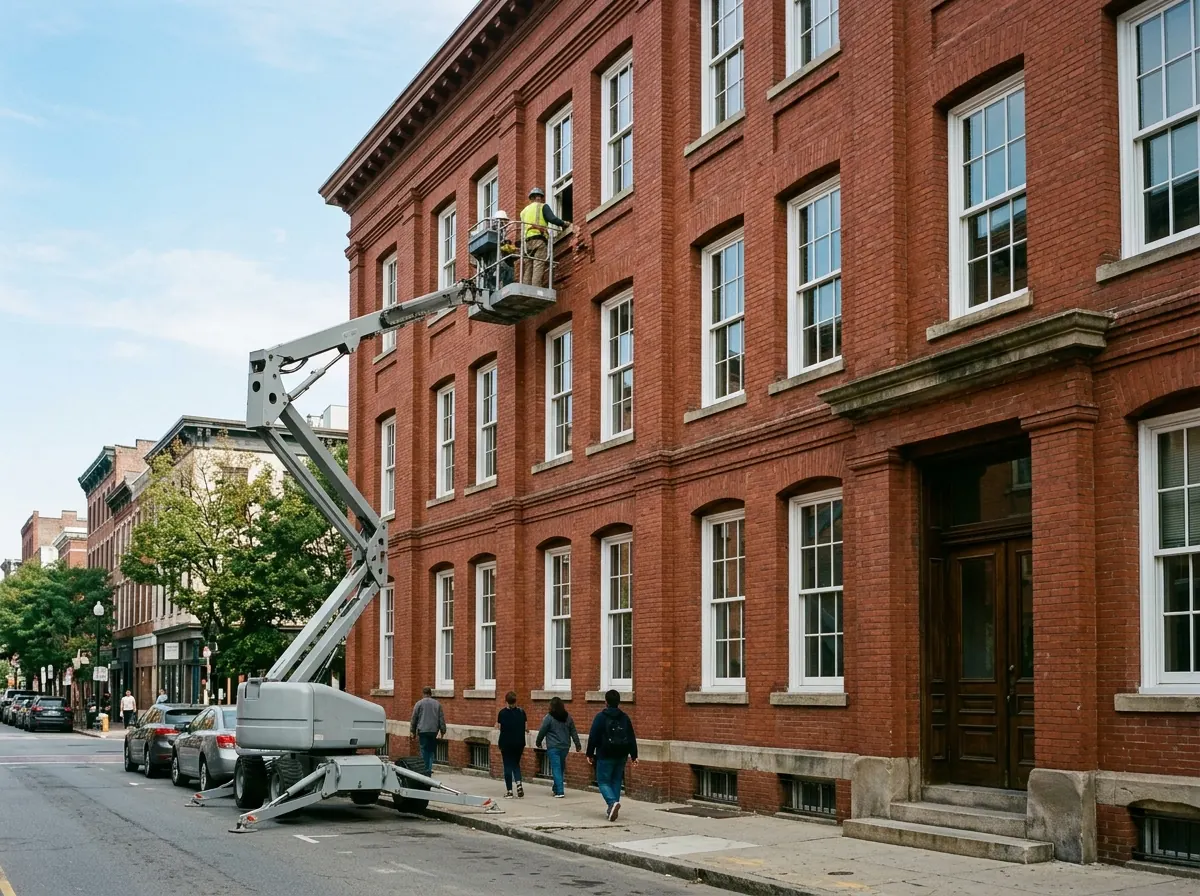
Commercial window replacement has its own rules: occupied buildings, after-hours work and commercial energy code tables. Each request goes to an installer who takes that kind of work.
Medical and Dental Offices
Fixed and operable units in occupied suites, scheduled around patient hours, with privacy glass where exam rooms face the street.
Restaurants and Retail Storefronts
Aluminum storefront framing, tempered or laminated glass, and replacing broken glass after a break-in, done before or after opening hours.
Apartment Complexes and Rental Homes
Unit-by-unit replacement during turnovers, durable vinyl, tenant notices and lead-safe practices in buildings from before 1978.
Churches, Schools and Older Masonry Buildings
Large arched and steel windows, protective glazing over stained glass, and sash repair on landmark buildings that need preservation review.
Before You Replace Windows in an Older Richmond Home
Old and Historic Districts
Every exterior change in the city's 44 Old and Historic Districts goes before Richmond's Commission of Architectural Review, from Church Hill North and St. John's Church to Monument Avenue, Jackson Ward and Shockoe Slip. The guidelines put repair ahead of replacement, and vinyl is on the list of things staff won't sign off on. The Fan is a state and National Register district, not a City Old and Historic District, so that review doesn't apply there.Lead-safe work before 1978
Paid work that disturbs paint in a house built before 1978 has to be done by a firm certified under EPA's Renovation, Repair and Painting rule. The small-job exemption never covers window replacement. Ask to see the firm's certification.Permits
Virginia's building code exempts like-for-like window and door replacement in houses from a permit. New openings, enlarged openings and egress cut-ins need one, through the City of Richmond's online permit portal. In a locally designated historic district, the building official may require a permit for replacement windows too.Fall protection
Virginia amended the national model code: where an operable window's sill is less than 18 inches above the floor and more than 72 inches above the ground outside, it must either open too little for a 4-inch sphere to pass or carry an opening control or fall prevention device meeting ASTM F2090.Safety glass
Glazing in doors, glass within 24 inches of a door and less than 60 inches above the floor, and large panes close to the floor all have to be tempered or laminated.Energy code for replacements
Under the Virginia Existing Building Code, replacement windows must meet U-0.30 and SHGC 0.40 in Richmond. When several windows are replaced, an area-weighted average of their ratings is allowed.
Why Homeowners Call Richmond Expert Windows
One Installer, Not a Bidding War
Your request goes to one independent local window installer. It isn't sold to a list of companies who all call at once.
Measured at the House
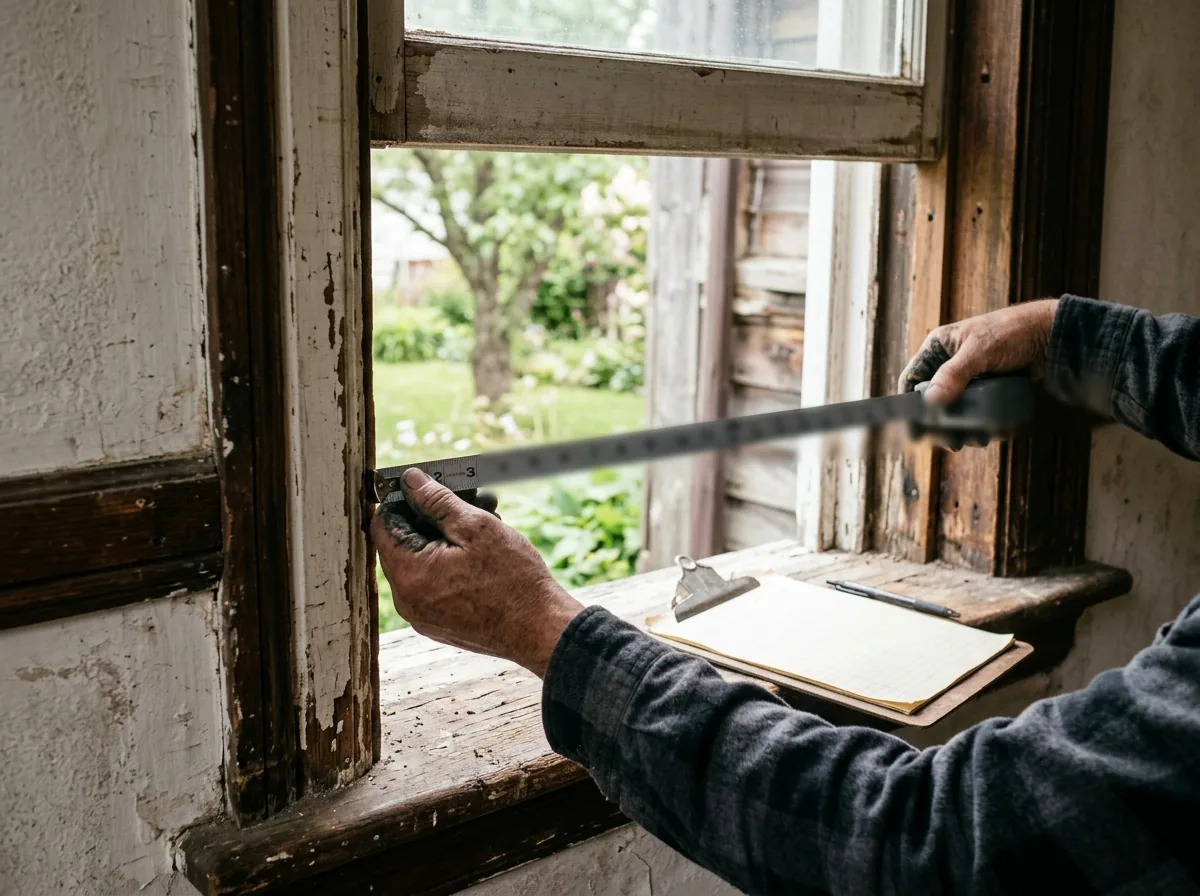
Prices come after every opening has been measured and checked for rot, square and access, not from a phone estimate.
A Quote You Can Compare
Ask for the window series, frame material, U-factor and SHGC from the NFRC label, the install method and the trim work, all in writing.
Get a free window estimate in Richmond
- A single independent window contractor gets your request, never a lead auction
- Every opening is measured on site before a number is put on paper
- Ask for the quote in writing: unit series, glass package, install method
- Homeowners pay nothing for the referral or the visit
How a Window Replacement Job Runs
- 1
Call or Send the Form
Tell us which windows, roughly how many, and anything you've noticed: fog, drafts, soft sills, sashes that won't stay up.
- 2
On-Site Measure and Opening Check
The installer measures each opening, probes the sills and checks whether insert or full-frame fits, and notes any historic district or lead-safe requirements.
- 3
Written Quote
You get the product, glass package, install method, trim, disposal and schedule on paper. Compare it line for line with any other quote.
- 4
Ordering
Most replacement windows are built to the measured sizes, so the wait is mostly factory lead time. Custom shapes and bays take longer than standard double-hungs.
- 5
Install Day
Old sashes or frames come out, new units are set, shimmed, insulated with low-expansion foam, flashed or capped, trimmed and sealed. Most crews do a room at a time so the house is never wide open.
- 6
Walk-Through
Check that every sash opens, locks and tilts, every screen fits and the labels match the quote, then keep the paperwork for the warranty.
Window Replacement Across Richmond
Richmond Expert Windows takes window requests from every part of Richmond. Rowhouses in the Fan and the Museum District have tall double-hungs and often original wood sash. Church Hill and Union Hill have some of the oldest houses in the city, many inside Old and Historic Districts. Northside has bungalows and foursquares with wide porch windows. West End streets run to brick Colonials, and Southside neighborhoods have ranches and split-levels with sliders and picture windows. Low-lying blocks near the James know what Gaston did in 2004, when two Richmond stations logged more than 12 inches of rain, so leaks at basement windows and door sills get extra attention there.